
- All
- Product Name
- Product Keyword
- Product Model
- Product Summary
- Product Description
- Multi Field Search
Views: 0 Author: Site Editor Publish Time: 2026-06-30 Origin: Site


A vacuum bag can look perfect at first, then slowly puff up a few hours later. Why does this happen? In most cases, the problem is not only the Vacuum Food Sealer Machine. It may come from the bag, food surface, seal line, or machine care. In this article, you will learn how to prevent vacuum seal leaks before they ruin airtight food storage.
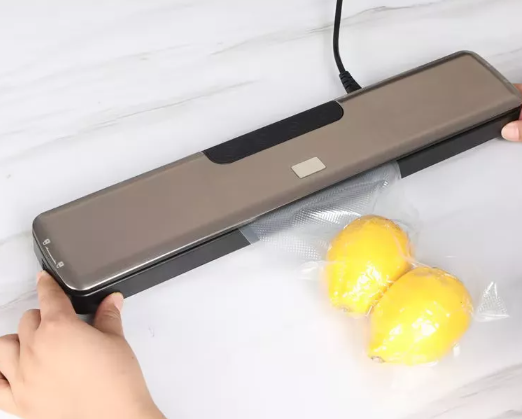
● A Vacuum Food Sealer Machine works best when the bag edge is clean, dry, flat, and placed correctly in the vacuum channel.
● Most seal failure problems come from moisture, food residue, wrinkles, poor bag quality, or weak heat sealing.
● Thick, textured, multi-layer vacuum bags usually give better vacuum sealing bag leak prevention than thin storage bags.
● Moist foods, sharp foods, and powdery foods need extra preparation before sealing.
● Double seal vacuum sealer bags are useful for meat, seafood, freezer storage, and packages that may face handling pressure.
● If vacuum sealed bags lose air after storage, check for micro-punctures, damaged gaskets, dirty sealing strips, or wrong bag placement.
● Regular vacuum food sealer machine troubleshooting helps keep suction stable and reduces air leakage over time.
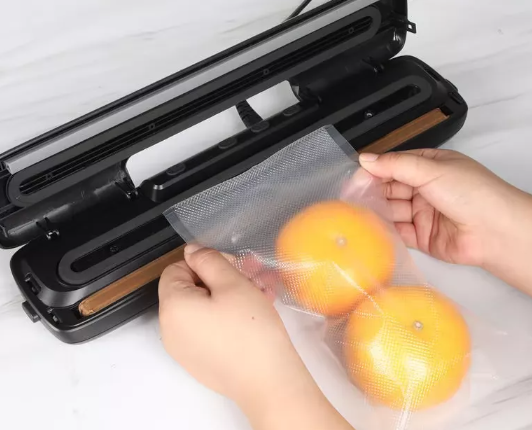
The first step is simple: use bags designed for vacuum sealing. Regular plastic bags may look similar, but they often lack the texture and layered structure needed for stable air removal. A Vacuum Food Sealer Machine needs a bag that allows air to move out smoothly before the heat seal closes.
For daily food storage, choose textured vacuum bags or rolls that match your machine type. They should feel strong enough to resist tearing, but not so stiff that the machine cannot seal them properly. Poor bag choice is one of the most common reasons for a vacuum sealer not sealing properly.
Do not fill the bag to the top. Leave enough empty space near the open end so the machine can pull air out and create a clean seal. If food sits too close to the seal line, liquid, crumbs, or oil may enter the sealing area.
For most foods, leaving a few inches of space is safer. It gives the bag room to lie flat. It also helps prevent folds when the lid closes.
The sealing area is the most important part of the whole process. Even a small drop of sauce, meat juice, flour, or oil can create a weak spot. The heat strip may press the bag, but the layers may not bond fully.
Before sealing, wipe the inner bag edge. Then check both sides of the opening. It should be flat, dry, and free from food particles. This small step has a large effect on how to get an airtight vacuum seal.
Wrinkles are small leak paths. When the machine seals across a fold, it may leave a tiny tunnel. Air can move through that tunnel slowly, even if the bag seems sealed at first.
Lay the bag flat in the vacuum channel. Pull the two sides gently before closing the lid. Do not twist the bag or let one side bunch up.
Not all foods should be sealed with the same suction level. Soft foods may crush. Moist foods may release liquid. Powdery foods may get pulled toward the seal line. Sharp foods may pierce the bag during air removal.
Use gentle or moist settings when available. If the machine has manual control, stop suction before liquid reaches the sealing strip. For delicate items, partial vacuum may be better than full vacuum.
Double sealing is a practical way to reduce air leakage risk. It is especially useful for meat, seafood, marinated foods, frozen items, and bags that will be shipped or stacked.
Place the second seal slightly above the first one. Do not seal directly on top of the same line. Two clean seal lines give extra protection if one area becomes weak.
Do not put the bag away without checking it. Look at the seal line. It should be even, clear, and continuous. Press the bag gently. If air moves back in or the food shifts too easily, inspect it again.
A proper vacuum bag should hold close around the food. Corners should not show open channels. The seal should not look melted, broken, wet, or wrinkled.
Tip:Run one test bag before sealing a large batch, especially after changing bag rolls or machine settings.
Bag thickness matters because many leaks come from tiny punctures. Bones, fish shells, dry pasta, frozen food edges, and hard corners can create holes during suction or storage. If the bag is too thin, the leak may not be visible.
However, thicker is not always better. A very thick bag may need more heat or pressure than a small home machine can provide. The goal is not maximum thickness. The goal is good compatibility, puncture resistance, and stable heat sealing.
A Vacuum Food Sealer Machine uses heat and pressure to bond the bag layers. If the bag material is not compatible, the seal may look closed but remain weak. Some bags melt unevenly. Others do not bond well at the machine’s normal heat level.
Use bags made for vacuum food sealing. If you switch to a new bag supplier or new roll thickness, test several seals before packing valuable food.
An oversized bag can fold around the food. A too-small bag may stretch, pull, or trap food near the seal line. Both situations raise the risk of seal failure.
Choose a bag size that fits the food shape. Leave space for air removal and sealing. For irregular items, use a larger bag but keep the seal edge straight and smooth.
Vacuum sealing is not only about removing air once. The bag also needs to slow oxygen movement during storage. Low-quality bags may allow air to return over time, even without a visible hole.
For freezer storage or longer shelf life, select bags with better barrier performance. This supports airtight food storage and reduces the chance that vacuum sealed bags lose air after several days.
Bag or Food Situation | Leakage Risk | Better Practice |
Thin bags | Easy punctures | Use stronger vacuum bags |
Wet food | Weak seal line | Dry or pre-freeze first |
Sharp food edges | Micro-holes | Wrap edges before sealing |
Oversized bags | Wrinkles and trapped air | Choose a closer fit |
Long freezer storage | Slow air return | Use high-barrier vacuum bags |
Heat sealing depends on balance. If the heat is too low, the bag layers do not fuse well. If it is too high, the edge may burn, deform, or become brittle. Both can cause air leakage.
Many home machines control temperature automatically. Still, users can often choose dry, moist, or extended seal modes. For thicker bags or wet foods, a longer seal mode may help.
When sealing many bags in a row, the machine may get warm. Some units need short breaks between cycles. If you rush, the sealing strip may not perform consistently. The result can be an uneven seal.
Give the machine time to complete each cycle. Let the seal cool for a few seconds before moving the bag. A hot seal is still soft. Pulling it too soon can weaken the bond.
The lid must close evenly. If one side does not lock, pressure may be uneven across the sealing strip. The machine may still run, but part of the seal can remain weak.
Place the open edge fully into the vacuum channel. Make sure it does not pass too far beyond the seal area. Keep the bag centered. Check that no food or bag fold blocks the lid.
Moist food mode is useful for marinated meat, fish, fruit, cooked vegetables, and other foods that release liquid. It usually gives more seal time. Manual seal is useful when liquid begins moving toward the edge.
For soups or sauces, freeze them first in a container. Then move the frozen block into a vacuum bag. This keeps liquid away from the sealing strip.
Note:If liquid reaches the sealing strip often, the issue is usually food preparation, not only machine power.
Food preparation is a major part of vacuum sealing tips. A wet surface can release liquid when suction starts. That liquid may travel toward the seal line and block bonding.
Pat meat, fish, and vegetables dry before packing. For oily food, wipe the bag edge before sealing. If the food is heavily marinated, use a larger bag and keep the marinade below the seal area.
Soft foods can crush under vacuum pressure. Wet foods can leak liquid. Pre-freezing helps solve both problems. It lets the food keep its shape and keeps liquid from reaching the seal.
Berries, bread, dumplings, cooked meals, sauces, and marinated meats often benefit from short pre-freezing. You do not need to freeze them solid every time. The goal is to firm the surface.
Sharp food edges are easy to overlook. A bone end or shell corner can puncture a bag after sealing, especially in the freezer. Once that happens, air enters slowly.
Wrap sharp parts with parchment paper, a folded paper towel, or a small protective layer. Then place the food into the vacuum bag. This is a simple vacuum sealing bag leak prevention step.
Some foods continue to release gas after packing. Fresh roots, certain vegetables, fermenting foods, and foods with active biological processes may make a sealed bag puff up. This can look like an air leak, even when the seal is intact.
For these foods, check safe storage guidance first. Some items need blanching, cooling, or different packaging before vacuum sealing.
If the bag looks tight at first but inflates later, check for three things: a weak seal, a tiny puncture, or gas released by the food. Start with the seal line. If it has wrinkles, moisture marks, or gaps, reseal the bag above the first line.
Next, inspect the bag surface. Press gently and listen for a hiss. For sharp foods, assume a micro-puncture is possible. Repack the food and protect hard edges.
If air is visible right after the cycle, the machine may not have removed enough air. Check the open edge placement. It should sit inside the vacuum channel, not only near the heat strip.
Also check the vacuum channel for crumbs or liquid. If it is blocked, suction drops. If the bag is too smooth or incompatible, air may not move out well.
An uneven seal means the bag did not bond across the full width. This often happens when the bag has folds, moisture, oil, or wrong material. It can also happen when the sealing strip is dirty.
Cut the bag open, clean the edge, and seal again. Do not rely on a broken seal line for freezer storage or transport.
Weak suction may point to gasket wear, lid closure problems, pump strain, or blocked channels. This is where vacuum food sealer machine troubleshooting matters.
Clean the vacuum channel first. Then inspect the gasket. If it looks flat, cracked, loose, or compressed, it may not create enough chamber pressure. In that case, vacuum sealer gasket replacement may restore performance.
Tip:Keep a short troubleshooting checklist near the packing station to reduce repeated seal failure during busy work.
A dirty sealing strip can cause weak seals. Grease, sauce, powder, and crumbs reduce heat transfer. They also stop the bag layers from bonding evenly.
After use, wipe the sealing area once the machine cools. Clean the vacuum channel if liquid or crumbs collect inside. Never use sharp tools on the heat strip.
The gasket helps the lid create a closed space for suction. Over time, it may flatten or crack. When it fails, the machine may sound normal but pull less air.
Look for uneven compression, damage, or loose areas. If the machine struggles more than before, the gasket should be part of the inspection.
The heat strip needs a smooth cover to seal correctly. If the cover is torn, burnt, or coated with residue, the seal may become inconsistent. This can lead to a vacuum sealer not sealing properly.
Replace worn parts according to the machine instructions. Do not continue using a damaged heat strip for food packing.
Storage affects gasket life. If the lid is locked tightly for long periods, the gasket can stay compressed. This may reduce suction over time.
Store the machine clean and dry. Keep the lid unlocked unless the manual says otherwise. This simple habit helps maintain airtight sealing performance.
Avoiding air leakage starts before sealing. Use the right bags. Keep edges dry. Set the machine correctly. Check seals right away. Dongguan Chuyuanhui Packing Material Co., Ltd. offers packaging machines and one-stop packaging support. Its Vacuum Food Sealer Machine helps users improve freshness, reduce waste, and keep food storage more reliable.
A: Your Vacuum Food Sealer Machine may have poor bag placement, blocked suction, or a worn gasket.
A: Keep the seal edge clean, dry, flat, and use compatible vacuum bags.
A: Yes. It helps meat, seafood, wet foods, and freezer packs stay airtight.
A: Vacuum Food Sealer Machine price may reflect suction, build quality, and seal control.
A: Moisture, wrinkles, punctures, poor bags, and dirty sealing strips are common causes.
A: Replace it when suction weakens or the gasket looks flat, cracked, or loose.


