
- All
- Product Name
- Product Keyword
- Product Model
- Product Summary
- Product Description
- Multi Field Search
Views: 0 Author: Site Editor Publish Time: 2026-01-30 Origin: Site


Choosing the right tube cutting machine can define your production line success. The wrong tube cutting machine for production line use may cause waste, downtime, and slow output. In this article, you will learn how to choose the right tube cutting machine, from CNC tube cutting to laser options, with reliable solutions like epack's equipment. By the end, you can invest wisely and learn more about our products.
Every tube cutting machine for production line use starts with material reality. Steel, stainless steel, aluminum, and copper all behave differently under heat and cutting force. Wall thickness also changes everything. Thin tubes need clean edges and low distortion. Thick tubes require higher power and stronger mechanical stability. Diameter range matters too, because chuck design and rotation limits define what the machine can hold safely. If you cut many tube types, you need flexibility. If you cut one standardized product, you need speed and repeatability. A high precision tube cutting machine for factories must match your tolerance demands. When you define material and size first, you avoid costly mismatches later. Advanced systems, including Epack's equipment designed for multiple soft tube materials, show how versatility can increase equipment utilization across different production needs.
Production volume shapes the best tube cutting machine investment more than any marketing claim. High-volume lines need efficient tube cutting machines for mass production, often with automatic loading and fast cycle times. Low-volume or high-mix shops may value quick changeovers and programming ease instead. Speed alone is not enough. You also need stable uptime. A machine that cuts fast but stops often will not help output. Think in parts per shift, not just inches per minute. Automation reduces labor pressure and keeps flow steady. Matching capacity to demand prevents both bottlenecks and overspending. Some automatic cutting machines can reach 100–120 cuts per minute, offering a strong advantage over manual processes in high-output environments.
Different industries push different requirements. Automotive suppliers often need consistent repeatability for exhaust and frame parts. Aerospace needs tighter tolerances and cleaner edges. Construction may prioritize rugged cutting for thick pipes. Medical tubing may require particle-free cutting with minimal deformation. Your application also defines downstream needs, such as welding prep or surface finishing. Some machines support bevel cutting, which reduces later work. When choosing a tube cutting machine buying guide for metal fabrication decisions, always link machine capability to your product quality standards and customer expectations. Manufacturers like Epack, known for precision machinery solutions, often emphasize stability and industrial reliability across diverse sectors.
Tip: Ask your engineering team to list top three failure risks, like burrs, distortion, or downtime, before comparing machine models.
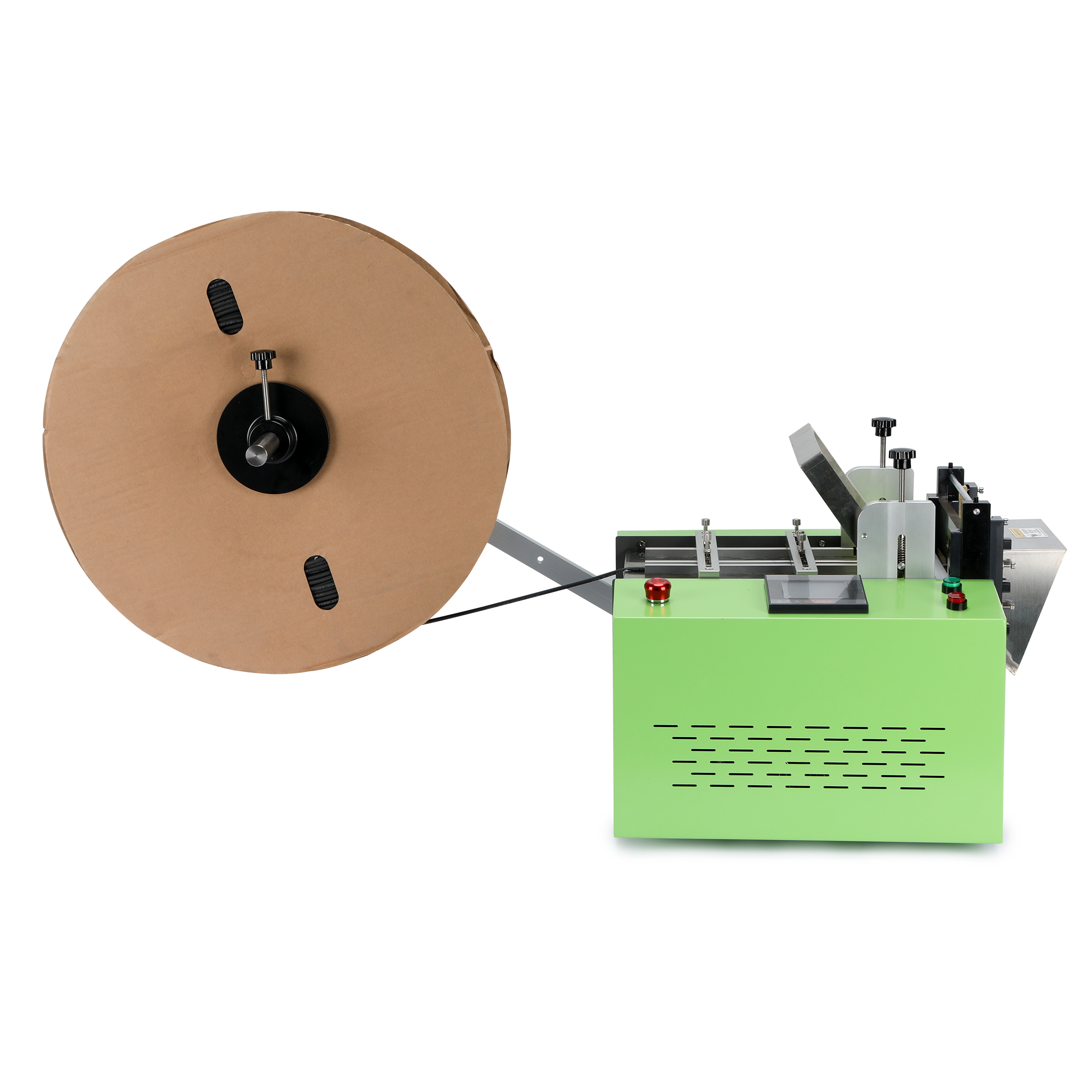
Laser tube cutting is often the top choice for precision-focused operations. It delivers clean edges, narrow kerf, and high repeatability. It also supports complex patterns and intricate geometry. For thin-to-medium wall tubes, laser is fast and accurate. Fiber laser systems are common because they offer efficiency and lower maintenance needs. Many manufacturers choose laser when they need high precision tube cutting machine for factories performance. Power levels typically range from 1kW to 6kW depending on thickness and throughput goals. Laser also reduces secondary finishing in many cases, which improves total line efficiency.
Plasma cutting works well when thickness increases and ultra-fine edge quality is less critical. It can cut thick pipes quickly and handle heavy fabrication environments. Plasma systems often cost less than high-end laser setups. However, they may leave more slag or rougher edges, which can require additional finishing. If your production line focuses on structural components where speed matters more than cosmetic finish, plasma may be a practical choice. It is important to evaluate tolerance needs before deciding, because plasma is not ideal for intricate designs.
Mechanical saw-based industrial tube cutter systems remain common for straightforward cuts. They are often used in workshops with simpler requirements. Saw cutting is reliable for basic length cuts, especially in lower-budget environments. However, it produces material loss through sawdust and may create burrs that require cleanup. Traveling saw cutters are often used for harder, thicker materials like rigid PVC or large extrusions. Mechanical solutions can be cost-effective, but they may lack the flexibility and automation potential of CNC tube cutting systems.
Technology Type | Best For | Main Advantage | Common Limitation |
Laser Tube Cutting | Precision parts, complex shapes | Clean edges, high accuracy | Higher initial cost |
Plasma Cutting | Thick pipes, heavy fabrication | Fast cutting on thick walls | Rougher finish |
Saw/Mechanical Cutting | Basic straight cuts | Lower cost, simple setup | More burrs and waste |
Accuracy defines product quality. A CNC tube cutting machine for industrial use should provide stable positioning and repeatability. Tight tolerances reduce rework and scrap. Check specifications like positioning accuracy and repositioning accuracy. Even small deviations can affect welding alignment or assembly fit. High precision tube cutting machine for factories setups often target ±0.1mm cutting accuracy, depending on industry. Precision also improves customer trust and reduces inspection burden. Always align tolerance specs with your product drawings, not generic claims. Some automated cutting systems, such as those using stepper motor feeding, can achieve very fine length control for consistent output.
Laser power impacts thickness capacity and speed. A 1kW system may handle thin tubes efficiently, while 6kW supports thicker materials and faster throughput. Higher power also increases energy use and cost. You should match power to real production needs, not future guesses. If most work is thin stainless steel, moderate power may be enough. If you expect thick structural steel, higher wattage becomes necessary. Power selection is central to automated tube cutting machine selection guide decisions because it affects both capability and operating cost.
Tube size limits are often overlooked until too late. Check maximum diameter, length, and weight capacity. Also consider tailing length, because leftover material impacts utilization rate. Some machines reduce waste through better clamping systems. If your product mix may expand, choose capacity that supports growth. A machine that cannot handle your largest tube will create future constraints. Capacity planning should include raw material handling space and chuck rotation requirements. Many automatic tube cutters support wide cutting length ranges, from fractions of a millimeter up to several meters, offering strong flexibility.
Specification | Why It Matters | Typical Range (Needs Verification) |
Laser Power | Controls thickness and speed | 1kW–6kW |
Positioning Accuracy | Impacts tolerance and quality | ±0.1mm |
Max Tube Diameter | Defines product compatibility | 20–350 mm |
Automation Level | Affects labor and throughput | Manual to Fully Automatic |
Automation is essential for efficient tube cutting machines for mass production. Automatic loaders reduce manual handling and improve safety. They also support continuous operation during long shifts. In high-volume environments, loading time often becomes the real bottleneck, not cutting speed. Automated unloading also prevents part damage and supports smoother downstream flow. If labor costs are high, automation provides strong ROI. Many factories see productivity gains when switching from manual feeding to automated systems. Features like parameter memory and auto-stop functions, seen in some automatic cutting machines, also reduce the need for constant supervision.
Software integration defines usability. A CNC tube cutting machine for industrial use should connect smoothly with CAD/CAM systems. Advanced software supports nesting, path optimization, and failure diagnosis. This reduces operator errors and improves material utilization. Compatibility with standard formats helps engineering teams work faster. Good programming tools also reduce setup time when product mixes change. Software is not optional anymore. It is a core productivity driver. Companies such as Epack, positioned as precision machinery providers, often stress stable control systems for industrial automation workflows.
Modern systems include monitoring sensors and predictive maintenance alerts. These tools help detect wear before breakdowns occur. Real-time dashboards track cutting performance, gas use, and error codes. Predictive maintenance reduces unexpected downtime, which is critical in production lines. Remote support features also help service teams troubleshoot faster. When uptime matters, smart monitoring becomes a competitive advantage, not just a feature.
Note: Automation adds value only when it matches your workflow. Over-automation can create complexity if product mix changes daily.
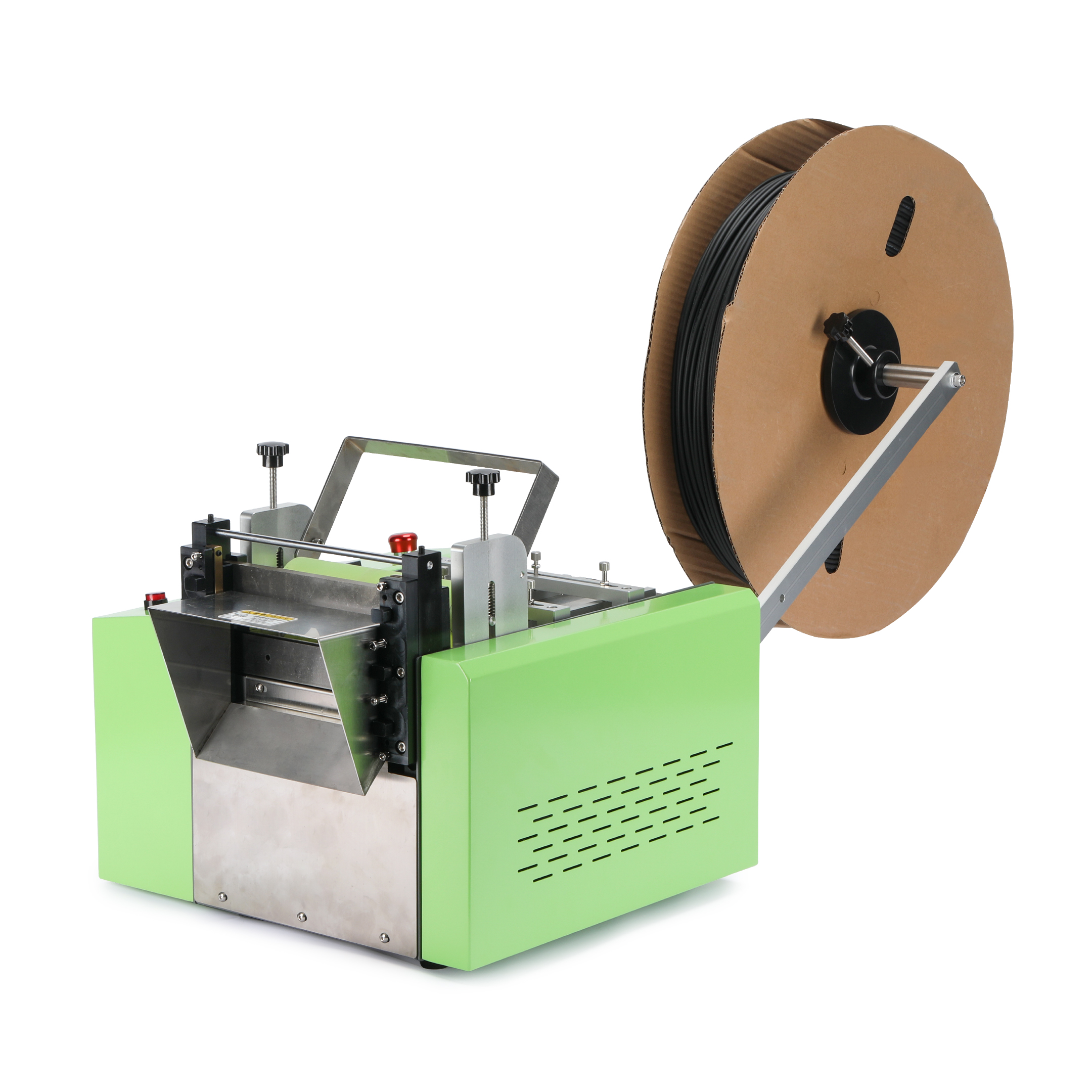
The best tube cutting machine investment is not always the lowest upfront price. A cheaper machine may require more labor, more scrap, and more maintenance. Long-term value comes from stable output, reduced waste, and fewer interruptions. ROI should include productivity gains and quality improvements. Investment decisions should focus on payback period and competitive advantage. Many manufacturers prefer high-value systems that deliver consistent results without constant recalibration.
Operating cost includes power use, assist gas, consumables, and labor. Fiber lasers often use less energy than older systems. Automated systems reduce labor cost but increase complexity. Consumables like nozzles and lenses must be considered. Over years, these costs may exceed the purchase price. A full cost model helps avoid surprises. Efficient tube cutting machine for mass production setups often win because they reduce waste and manual effort simultaneously. Automation also lowers dependency on skilled labor for repetitive tasks.
Maintenance planning is critical. Preventive schedules include alignment checks, component cleaning, and software updates. Service support matters too. Spare part availability and technician response time directly affect downtime. A machine with weak support can become a liability. Manufacturers should review service contracts and training programs. Strong maintenance systems extend machine life and protect production stability. Established suppliers like Epack often emphasize factory-direct support as part of their value proposition.
Your priority defines the right machine. If precision is key, laser tube cutting is often best. If thick-wall speed matters, plasma may fit. If basic cuts dominate, saw systems may suffice. Technology should match product requirements, not trends. Production managers should align machine choice with quality goals, lead time targets, and labor availability. The right match improves both efficiency and customer satisfaction.
Future-proofing matters. Choose machines with modular automation, upgradeable software, and adaptable chucks. Growth may bring new tube sizes or materials. A flexible tube cutting machine for production line scaling avoids replacement costs later. Planning for expansion also includes floor space and facility power requirements. Machines often require dedicated space and proper ventilation systems. Thinking ahead protects investment value.
Always request demos using your actual tube materials. Marketing samples may not reflect your production reality. Testing reveals edge quality, cycle time, and setup complexity. It also helps operators evaluate usability. Real trials reduce risk and build confidence. Many experts recommend demos as a key buying step, especially for automated tube cutting machine selection guide decisions.
Tip: Bring your toughest part drawing to the demo. If the machine handles it well, normal jobs will be easier.
Burrs and distortion reduce part quality. They often come from wrong speed settings, poor alignment, or worn consumables. Laser systems usually reduce burrs compared to saw cutting, but parameter tuning still matters. Thick materials may require slower speeds. Proper assist gas selection also affects edge finish. Continuous monitoring helps maintain consistency. Troubleshooting should focus on root causes, not just symptoms.
Material waste is a hidden cost. Advanced nesting software improves utilization by optimizing cut layouts. Reduced scrap directly improves ROI. Better nesting also shortens setup time and supports lean manufacturing goals. Waste control is both financial and environmental value. Automated control systems, like those used in some multifunction cutting machines, also reduce uneven cutting and wasted material.
Even automated machines need skilled operators. Training reduces errors and increases uptime. Safety protocols are essential because lasers, plasma arcs, and moving chucks carry serious risk. Operators must understand loading procedures, emergency stops, and maintenance routines. Strong training programs improve productivity and reduce accidents. Investing in people is part of investing in machines.
Choosing the right tube cutting machine requires balancing material, size, and production volume needs. Comparing laser, plasma, and mechanical options helps match precision and throughput goals. Key specifications, automation, and software integration improve efficiency and reduce waste. Considering total cost and scalability ensures long-term value. epack provides reliable automatic cutting equipment that supports stable performance and smarter manufacturing investments.
A: A tube cutting machine for production line work improves accuracy, speed, and efficiency.
A: Follow an automated tube cutting machine selection guide and match material, volume, and goals.
A: Laser tube cutting offers higher precision, while mechanical cutting suits basic low-cost needs.
A: Price depends on automation, CNC tube cutting features, power, and long-term maintenance.
