
- All
- Product Name
- Product Keyword
- Product Model
- Product Summary
- Product Description
- Multi Field Search
Views: 0 Author: Site Editor Publish Time: 2026-06-18 Origin: Site


Plastic-free packaging sounds simple until a shipment arrives damaged. Companies want less plastic, but they still need strong protection, stable costs, and smooth packing work. A Cardboard Shredder Machine helps solve this gap by turning used boxes into protective filler. In this article, you will learn why this shift matters and how cardboard shredders support safer, cleaner shipping.
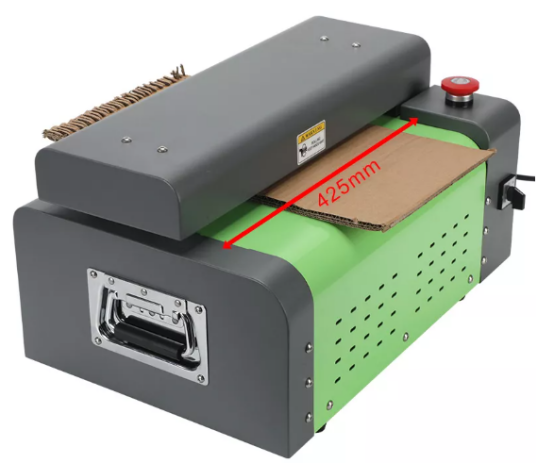
A Cardboard Shredder Machine helps businesses turn waste corrugated boxes into reusable packaging filler, padding, and cushioning material. It supports plastic free packaging by reducing the need for bubble wrap, air pillows, foam peanuts, and other plastic fillers. Instead of buying more packaging material and paying to remove cardboard waste, companies can reuse what they already have on-site. This approach can lower packaging costs, save storage space, and support a cleaner shipping process. Shredded cardboard works well for void fill, product separation, surface protection, and many light to medium cushioning needs. It is especially useful for e-commerce, warehouses, retail shipping, and industrial product packing. However, it should still be tested before fully replacing plastic packaging, especially for fragile, heavy, sharp, or moisture-sensitive products. The best results come when the machine capacity, cardboard thickness, output style, and packing workflow all match daily operations.
Packaging teams are under growing pressure to cut single-use plastic. This pressure does not come from one place only. It comes from customers, retailers, marketplaces, internal sustainability goals, and changing packaging rules in many regions. Even when plastic fillers still protect goods well, they create a disposal problem after delivery.
Bubble wrap, foam peanuts, and plastic air pillows are easy to use, but they are not always easy for the end user to recycle. Many customers do not know where to place them. Some materials need special recycling streams. Others end up in general waste. For companies shipping hundreds or thousands of parcels, this small problem becomes a large brand and waste issue.
This is why plastic free packaging is moving from a nice idea to a real operating goal. Companies want packaging that protects products, looks responsible, and is easier for customers to handle after unboxing.
Customers now notice packaging. They notice when a small item arrives in a large box full of plastic. They also notice when a company uses recycled cardboard packaging filler or paper-based cushioning. A simple, recyclable package can make the order feel more careful and modern.
This does not mean every customer will pay more for sustainable packaging. But many prefer it when protection remains strong. The key is balance. Packaging should not feel wasteful, but it also should not feel weak. If a product breaks during shipping, the environmental benefit disappears because the company must replace the product, repack it, and ship again.
Plastic fillers create costs before and after shipping. Companies buy them, store them, use them, and often manage waste from incoming packaging at the same time. The customer then becomes responsible for disposal after delivery. This creates a hidden problem across the full packaging cycle.
A cardboard shredder for plastic free packaging changes the material flow. Used boxes from receiving areas can become packaging filler for outgoing shipments. The same material can move through the operation twice before recycling. That simple reuse step can reduce waste volume and lower the need for new plastic material.
A Cardboard Shredder Machine processes used corrugated boxes and cardboard sheets into flexible filler. The output can be used as cushioning, wrapping, or void fill, depending on the machine and the cardboard type. Instead of flattening boxes and waiting for collection, teams can turn them into useful material at the packing station.
This is one of the strongest reasons cardboard shredders fit the shift toward sustainable packaging. Most warehouses already receive goods in corrugated boxes. That means the raw material is already inside the building. The machine simply helps the team recover its value before it leaves as waste.
Plastic fillers are usually purchased as a separate packaging supply. They also take up storage space, especially when they are already inflated or bulky. Shredded cardboard works differently. It is produced when needed from waste cardboard. This helps reduce dependence on purchased bubble wrap, foam peanuts, or plastic void fill.
The result is not only more eco friendly packaging material. It is also a more practical material system. The packing team can produce filler during daily work. They do not need to wait for plastic filler inventory, and they can adjust usage based on carton size and product shape.
Tip:Place the shredder close to the packing area so staff can reuse cardboard before it piles up in receiving or storage zones.
Corrugated recycling is valuable, but direct reuse can happen before recycling. When cardboard is shredded into packaging material, it gets a second use inside the same facility. This supports a more circular workflow.
A corrugated cardboard shredder for recycling is not only a waste-reduction tool. It also works as a packaging production tool. It can reduce the volume of waste cardboard, lower handling time, and delay the point when material must leave the site. For teams with steady inbound cartons, this can be a daily benefit.
Void fill helps prevent products from moving inside the box. If the item shifts during transit, it may hit the carton wall or another product. Shredded cardboard can fill this empty space and help stabilize the product.
On-demand void fill also improves flexibility. One day, the team may pack small retail goods. The next day, it may pack parts, samples, accessories, or mixed orders. Cardboard packaging filler can be adjusted by amount and placement, so packers can use more or less based on the shipment.
One common issue in packaging is mixed material. A box may include plastic bubble wrap, foam, tape, labels, and paper. The more material types used, the harder disposal becomes. Shredded cardboard keeps the main carton and inner filler closer to one paper-based stream.
This does not remove every recycling issue. Tape, labels, coatings, and contamination still matter. But it can make the package simpler. For many customers, a box filled with cardboard-based filler feels easier to understand and easier to dispose of than a box filled with mixed plastic materials.
Bubble wrap is popular because it cushions and wraps products quickly. Shredded cardboard can replace it in many light to medium protection jobs, especially when the product does not need a sealed air cushion. It can wrap around items, fill space, and reduce direct impact inside the carton.
However, bubble wrap may still be better for some highly fragile, glossy, or scratch-sensitive items. In those cases, shredded cardboard can work as part of the packaging system, not always as the only material.
Plastic air pillows are mainly used to fill empty space. They are light, but they can deflate or shift if not used well. Shredded cardboard can serve the same void fill purpose while using material already available from old boxes.
For plastic free packaging, this is one of the easiest starting points. If the product is already boxed, bagged, or not highly fragile, cardboard void fill can stop movement without adding plastic.
Foam peanuts can fill irregular spaces, but they are messy and often disliked by customers. Shredded cardboard can offer a cleaner paper-based option for many non-fragile and mixed shipments. It works well when products need blocking, light cushioning, or simple space control.
Note:Do not switch all shipments at once. Test shredded cardboard with common carton sizes and product groups first.
Some shredded cardboard output can work as padding mats or layered protection. These mats can separate products, protect surfaces, or add a buffer between the product and carton wall. This is useful for parts, tools, boxed goods, and items shipped in sets.
Plastic Packaging Type | Cardboard-Based Replacement | Best Use Case | Key Caution |
Bubble wrap | Shredded cardboard wrap or mat | Light to medium cushioning | Test scratch-sensitive items |
Plastic air pillows | Cardboard void fill | Empty carton space | Do not overpack |
Foam peanuts | Loose cardboard packaging filler | Non-fragile mixed goods | Check dust and product finish |
Plastic sheet padding | Cardboard layer protection | Product separation | Add moisture control if needed |
One clear benefit is lower spend on packaging filler. A cardboard box shredder for shipping turns an existing waste stream into a useful packing supply. This can reduce orders for bubble wrap, plastic air pillows, paper filler, or foam. The savings depend on shipping volume, cardboard supply, and product type, so companies should compare current filler costs before buying equipment.
The strongest return often appears when a business has both high cardboard waste and steady outbound shipments. In that case, it pays to get more value from the same material.
Cardboard waste takes space. Teams often flatten boxes, move them, stack them, bale them, or wait for pickup. These steps take labor and floor space. A shredder can reduce the amount of waste staged for disposal and turn part of it into packaging material immediately.
This also improves workflow. Instead of treating every used box as waste, staff can sort usable cardboard for shredding. Damaged, wet, or contaminated cardboard can still be removed through normal waste or recycling channels.
Plastic fillers and bulky waste cardboard both consume space. This can be a problem in small warehouses, retail back rooms, and growing e-commerce operations. A cardboard shredder machine for small business can help by reducing the need to store large filler supplies.
The machine still needs space, but it may replace several storage points. Companies should check whether the unit fits near packing benches, receiving areas, or a shared packaging zone. The closer it is to the workflow, the more likely staff will use it daily.
Busy seasons expose weak packaging systems. If filler runs out, orders slow down. If waste cardboard piles up, work areas become crowded. A Cardboard Shredder Machine can help teams respond faster because they can make filler from available boxes.
This does not remove the need for planning. Teams still need packaging standards and backup supplies. But it gives them one more on-site source of sustainable void fill packaging.
E-commerce teams often ship many product sizes. Some orders need only light void fill. Others need wrap and corner support. Shredded cardboard fits this kind of flexible work because packers can adjust the amount by hand.
It is especially helpful when incoming cartons are steady. For example, a small warehouse may receive supplier boxes in the morning and reuse that cardboard for customer orders in the afternoon.
Retail and subscription brands care about unboxing. Plastic fillers can make a package feel less thoughtful, especially for natural, handmade, gift, or lifestyle products. Cardboard filler gives a more paper-based look and can support an eco-friendly message.
Still, appearance matters. Teams should avoid dirty or heavily printed cardboard when presentation is important. Clean corrugated material usually creates a better customer experience.
Warehouses are often the best fit. They already manage inbound cartons, pallets, and packaging waste. If they also ship finished goods, samples, spare parts, or online orders, they can close the loop in-house.
The more stable the cardboard supply, the easier it is to justify a shredder. If cardboard waste is rare or uneven, a company may need other packaging options as well.
Industrial goods often need strong blocking and practical protection, not decorative packaging. Shredded cardboard can cushion parts, separate items, and fill carton gaps. It also works for tools, hardware, accessories, samples, and many non-food products.
For sharp or heavy items, the packing method matters. Teams may need layered mats, reinforced cartons, corner boards, or custom inserts in addition to cardboard filler.
The right Cardboard Shredder Machine depends on how much cardboard your team handles each day. A small operation may need a compact unit for occasional packing. A warehouse may need stronger performance for daily use. Buying too small can create delays. Buying too large may waste space and budget.
Start by measuring weekly cardboard waste and current packaging filler use. Then compare those numbers with expected output needs. This gives a better view than choosing by price alone.
Not all shredded cardboard output is the same. Some output is better for void fill. Some is better for wrapping or padding. Some is loose, while some stays in a mat-like form. Before switching, the team should test how the output behaves inside real cartons.
A good test includes drop risk, movement inside the box, product surface marks, packer speed, and customer unboxing. The goal is not just to reduce plastic. The goal is to protect the product while reducing plastic.
Tip:Create a short packing guide showing how much cardboard filler to use for each carton size and product group.
Cardboard thickness affects machine choice. Single-wall and multi-layer corrugated cardboard may need different cutting strength. Feed width also matters because wide cartons may need trimming before shredding. If staff must spend too much time cutting boxes down, the machine may not save as much labor as expected.
Location is also important. A machine placed too far from packing work may be ignored. A machine placed too close to narrow walkways may create a safety issue. The best spot is usually close enough for easy use, but clear enough for safe feeding and collection.
Safety features matter because staff may use the machine many times a day. Useful features can include overload protection, auto stop, safe feeding areas, clear indicators, and stable machine housing. Maintenance also matters. Blades, rollers, motors, and sensors should support daily use.
Noise is another practical factor. A loud machine may disturb work in small rooms or shared packing areas. Operator convenience matters too. If the machine is easy to start, feed, and clean, the team will use it more consistently.
Shredded cardboard is useful, but it is not a universal replacement. Very fragile items may still need molded pulp, corner protection, honeycomb paper, air column packaging, or custom inserts. The right choice depends on product weight, shape, surface, and break risk.
Cardboard is paper-based, so moisture must be considered. Products sensitive to humidity, liquid, oil, or dust may need a bag, liner, coating, or separate barrier. This is especially important for electronics, polished surfaces, food-adjacent items, and items shipped through wet or long transit routes.
Even good filler performs poorly when used badly. Underfilled boxes allow movement. Overfilled boxes may crush products or waste material. The packing team needs clear standards for filler amount, placement, and carton choice.
Note:Plastic-free shipping should still pass basic transport tests before it becomes the default packing method.
Dongguan Chuyuanhui Packing Material Co., Ltd. supports practical plastic-free packaging through efficient protection packaging solutions. Its Cardboard Shredder Machine helps turn waste cardboard into useful filler, reducing plastic use and packing costs. It also supports safer daily workflows, sustainable packaging goals, and flexible service for growing shipping operations.
A: A Cardboard Shredder Machine turns used boxes into packaging filler.
A: It cuts plastic use and reuses waste cardboard.
A: A Cardboard Shredder Machine may reduce filler and disposal costs.
A: It works for many items, but testing is needed.
A: It reuses existing cardboard instead of new paper.


