
- All
- Product Name
- Product Keyword
- Product Model
- Product Summary
- Product Description
- Multi Field Search
Views: 0 Author: Site Editor Publish Time: 2026-06-08 Origin: Site


What if yesterday’s waste boxes could protect tomorrow’s shipment? Many companies throw away cardboard every day, then buy new filler for the next order. A Cardboard Shredder Machine solves both problems. In this article, you will learn how it turns used cardboard into useful packaging filler, where it fits best, and how it helps reduce waste and packing costs.
● A Cardboard Shredder Machine turns used corrugated cartons into soft, flexible packaging filler for void fill, wrapping, and cushioning.
● It helps companies reuse cardboard from inbound shipments instead of treating it only as waste.
● The process is simple: collect, prepare, feed, shred, expand, and apply the filler inside shipping boxes.
● Shredded cardboard works well because its open structure fills empty space and helps reduce product movement.
● It can reduce the need for plastic bubble wrap, foam peanuts, and other purchased fillers.
● It fits daily packing areas, warehouses, online order centers, retail stores, and manufacturing plants.
● The right machine should match cardboard size, output needs, safety requirements, and packing workflow.
● It works best when teams create clear rules for cardboard collection and machine use.
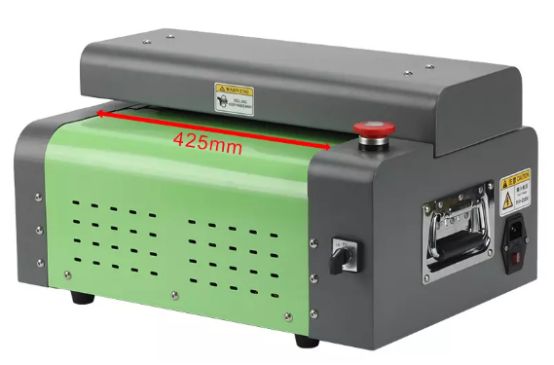
Most packing areas have the same problem. Goods arrive in corrugated boxes. Staff unpack them. The empty boxes pile up near the wall, beside the dock, or beside the baler. At the same time, packers reach for bubble wrap, paper filler, air pillows, or foam inserts to protect outgoing parcels.
This creates a strange cycle. One material leaves the building as waste. Another material enters the building as a new cost. A Cardboard Shredder Machine breaks this cycle. It lets a business reuse its own cardboard on site. The old boxes become cushioning material for new shipments.
This does not mean every piece of cardboard can replace every filler. Heavy, sharp, highly fragile, or premium goods may still need special protection. But for many daily shipments, shredded cardboard is a practical filler. It can fill box space, reduce product movement, and support a more paper-based packing process.
It also gives waste cardboard a clearer role. Instead of waiting for pickup, it moves back into the packing line. This is why the machine is not only a recycling tool. It is also a packaging tool, a space-saving tool, and a cost-control tool.
The process starts before the machine turns on. Staff need to collect suitable cardboard from receiving, unpacking, and returned goods areas. The best material is usually corrugated cardboard, such as used cartons, flat sheets, slip sheets, and clean box panels. It has enough body to form useful filler after cutting.
Next, the cardboard should be checked. Thick metal staples, nails, plastic straps, hard clips, and heavy non-paper parts should be removed. Small labels or light tape may not always stop the process, but too much tape can affect feeding and output. A simple sorting rule helps operators avoid jams and protect the blades.
The cardboard is then flattened. This step sounds basic, but it matters. Flat sheets feed more smoothly. They also make output more even. When a team tries to push folded boxes into the opening, the machine may work harder than needed. That can slow the process and increase wear.
After preparation, the operator feeds the cardboard into the Cardboard Shredder Machine. Inside the machine, blades or cutting rollers cut and open the cardboard. Some machines create net-like sheets. Others create strips, chips, or fluffy void fill. The main goal is the same: convert rigid cardboard into a flexible material suitable for packing.
The output gains volume because the cut structure opens up. A flat sheet can become a loose, springy filler. This filler can be placed under products, wrapped around items, or pushed into side gaps. It can also sit on top of the product before the carton closes.
The result is simple but useful. The business does not need to send all waste cardboard away first. It can produce filler near the packing station and use it almost at once. This supports faster material flow, fewer storage steps, and less dependence on purchased fillers.
Process Stage | What Happens | Packaging Result |
Collect | Used cartons and sheets are gathered | Waste becomes a reusable input |
Prepare | Hard objects and unsuitable parts are removed | Smoother feeding and fewer jams |
Flatten | Cardboard panels are made easier to feed | More stable output quality |
Shred or perforate | The machine cuts the cardboard structure | Mesh, strips, or soft filler |
Expand | The output opens and gains volume | Better void fill performance |
Apply | Packers use it inside shipping boxes | Less product movement in transit |
Tip:Keep one clean cardboard bin near the unpacking area, so staff know which material can go back into packing.
Packaging filler has one main job. It must stop products from moving too much inside the box. If a product slides, bumps, or rotates during transport, it may hit the carton wall or another item. The filler reduces that risk by filling empty space and adding a soft barrier.
Shredded cardboard works because it changes shape. A flat carton is stiff. Once cut or perforated, it becomes more flexible. The open structure can bend around corners and edges. It can also fill small gaps more easily than a flat sheet.
Corrugated cardboard already has a useful structure. Its fluted middle layer gives it strength and a little spring. When the machine cuts it into filler, some of that strength remains. This helps it support the product while still absorbing pressure.
The filler is useful for mixed packing tasks. It can sit at the bottom of a box as a cushion layer. It can fill side gaps around small parts. It can cover the top of the goods before sealing. It can also wrap irregular shapes when the output is flexible enough.
It is not only about shock absorption. It is also about packing control. A worker can add more filler when a box has too much empty space. They can use less when the carton already fits well. This makes it useful for operations that ship many product sizes.
Note:For very fragile goods, test drop performance before replacing all existing protective materials.
The strongest use case is a site that receives and ships cartons every day. Online order centers are a good example. They unpack inbound goods, handle returns, repack products, and ship orders in different box sizes. A Cardboard Shredder Machine helps them turn part of that carton flow into filler.
Warehouses and logistics centers can also benefit. They often have large volumes of inbound packaging. Some cartons cannot be reused as boxes because they are damaged, printed, or the wrong size. Shredding gives those cartons a second use before they leave the site.
Manufacturing plants have another clear use case. Components arrive in cardboard packaging. Finished products then need protection before shipment. If the operation can use its own cardboard as filler, it creates a more closed packing loop inside the facility.
Retail stores and small shipping rooms may use the same idea at a smaller scale. Incoming product cartons can become filler for online orders, customer shipments, or repair returns. The key is not only volume. The key is whether the business has both cardboard waste and filler demand.
This filler is especially practical for non-liquid, non-food-contact, general goods. It can suit cosmetics, small appliances, hardware, spare parts, crafts, accessories, and many boxed products. For items with delicate surfaces, packers should check whether the cardboard edge may rub or mark the product.
A Cardboard Shredder Machine gives value in three connected areas. It reduces filler purchases, reduces waste pressure, and supports a cleaner packaging story.
The first value is cost control. Many companies buy protective filler every month. Bubble wrap, foam peanuts, paper padding, and air packaging all take budget. When a business reuses its own cardboard, part of that filler demand can be replaced. The savings depend on order volume, filler use, cardboard supply, and labor flow. Still, the logic is clear. A material already inside the building becomes useful again.
The second value is waste reduction. Cardboard waste takes space before pickup. It may need sorting, moving, baling, or storage. A shredder does not remove all recycling needs, but it can reduce the volume of cardboard waiting for disposal. It also gives staff a direct reason to keep clean cardboard separate.
The third value is storage efficiency. Bulky filler materials can take valuable space. Pre-made fillers often need shelves, cartons, or pallets. Shredded cardboard can be produced as needed. This helps packing stations stay flexible, especially during busy seasons.
The fourth value is customer perception. Many buyers now notice packaging. They may not read every sustainability claim, but they can see when a box uses paper-based filler instead of plastic. That visible change can support a company’s greener packaging message.
EPACK’s wider packaging range also matters here. Their product categories include air cushion machines, paper cushion machines, honeycomb paper dispensers, and cardboard shredder machines. This helps users compare different protective packaging methods under one supplier system, instead of treating each machine as an isolated choice.
Good integration starts with placement. The machine should be near the material flow. If staff collect cardboard at the dock but pack orders far away, the team needs a simple route between both points. If the machine sits too far from the packing bench, workers may ignore it during busy hours.
The next step is a clear cardboard rule. Staff should know which materials are suitable. Clean corrugated cartons, flat sheets, and standard box panels usually work well. Wet cardboard, food-contaminated material, metal-stapled pieces, and heavily reinforced packaging should stay out. This protects output quality and machine life.
Packing teams also need rules for filler use. Shredded cardboard should not be thrown into every box without thought. Packers should match the amount to product weight, carton size, and product shape. A light item may need less filler. A heavier item may need tighter blocking around its sides.
Training should stay simple. Show staff how to turn on the machine, feed cardboard safely, collect output, and stop the machine if anything feels wrong. Also show them what a good filler output looks like. If it becomes uneven, dusty, or too dense, they should report it.
Safety features are important in daily use. Machines may include anti-pinch protection, drawer start-stop control, indicator lights, and overload protection. These functions support safer operation, but they do not replace careful handling. Operators should keep hands, loose sleeves, and long items away from feed openings.
Maintenance also affects performance. Dust and small fibers can build up during cardboard processing. A simple cleaning schedule helps the machine run more smoothly. Regular checks for blade condition, motor strain, and drawer position can prevent small issues from becoming downtime.
Dongguan Chuyuanhui Packing Material Co., Ltd. helps users turn waste into value. Its Cardboard Shredder Machine converts used cartons into practical filler. It reduces filler purchases and waste pressure. It also supports cleaner, paper-based packaging. The company offers related cushion packaging products and service support, helping users build a more efficient packing workflow.
A: A Cardboard Shredder Machine turns waste cartons into packaging filler.
A: A Cardboard Shredder Machine cuts cardboard into flexible void fill.
A: It reuses waste, fills gaps, and reduces product movement.
A: A Cardboard Shredder Machine can reduce purchased filler costs.
A: For many general shipments, yes. Fragile goods need testing.
A: Stop feeding, power down, and remove unsuitable cardboard.


