
- All
- Product Name
- Product Keyword
- Product Model
- Product Summary
- Product Description
- Multi Field Search
Views: 0 Author: Site Editor Publish Time: 2026-06-25 Origin: Site


Food can look well packed but still spoil faster than expected. Why? The bag may be sealed, but the air inside may still be there. A Vacuum Food Sealer Machine solves a different problem from regular sealing. In this article, we will compare both methods, their best uses, and how to choose the right option.
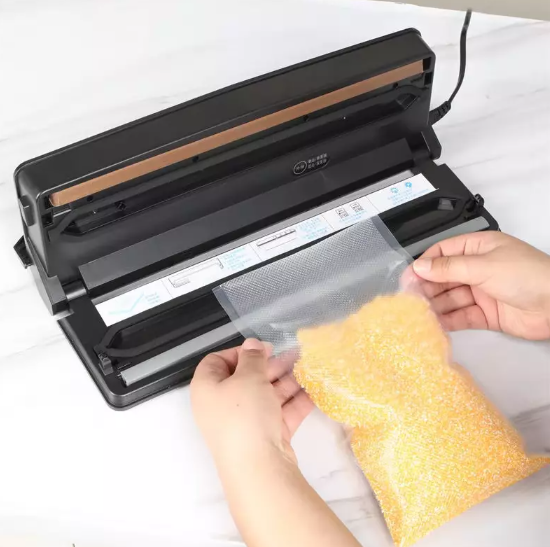
● Vacuum sealing removes air before sealing, while regular sealing mainly closes the bag opening.
● The biggest difference is oxygen control. Less air means less oxidation, slower quality loss, and better freezer protection.
● A Vacuum Food Sealer Machine is better for meat, seafood, cheese, dry goods, bulk groceries, and meal-prep portions.
● Regular sealing is enough for dry snacks, short-term packaging, retail display bags, and products that do not need reduced oxygen.
● Vacuum sealing may compress soft foods, so delicate products need care.
● The right choice depends on food type, storage time, package appearance, sealing speed, and daily production volume.
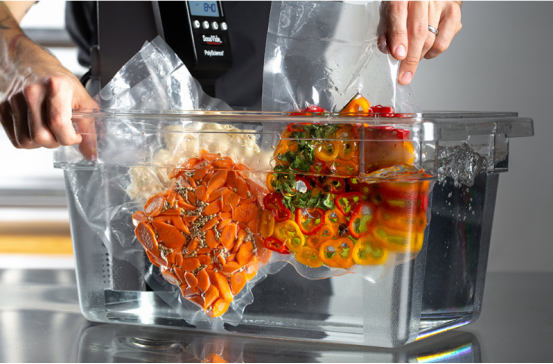
The main difference between vacuum sealing and regular sealing is simple: vacuum sealing remov
es air before the package is sealed. Regular sealing does not. It closes the bag, pouch, or film, but most of the air already inside the package remains there.
This matters because air contains oxygen. Oxygen can speed up oxidation, color change, flavor loss, and freezer burn. When a food vacuum sealer pulls air out, it creates a tighter storage environment. The food has less contact with oxygen, so it can stay fresher for longer under the right storage conditions.
Regular sealing is still useful. It keeps a package closed. It can stop loose food from spilling out. It can protect against dust and basic handling damage. But it is not designed to create a low-oxygen package.
Vacuum sealing is often chosen because it controls oxygen better. This is important for food that changes quickly when exposed to air. Meat may lose color. Nuts may turn stale. Frozen food may dry out on the surface. Cheese may lose quality faster after opening.
Regular sealing gives more basic protection. It can close a bag of dry goods, snacks, or non-perishable products. But if oxygen control is the goal, regular sealing has limits.
A regular food sealer machine focuses on closing the package. A vacuum sealing machine for food does more. It removes air, then heat seals the bag to stop air from getting back in.
So the seal has two jobs in vacuum packaging. First, it locks the reduced-air environment inside the bag. Second, it keeps outside air, moisture, and odor away from the food.
Vacuum sealing usually supports longer food storage than regular sealing. This is especially useful for meat, seafood, cheese, nuts, grains, and frozen meal portions. It does not make food last forever, and it does not replace safe refrigeration or freezing. But it helps slow common quality problems.
Regular sealing works better when the product will be used soon, or when oxygen exposure is not a major risk. For example, a bakery may use regular sealing for same-day bread. A warehouse may use heat sealing food packaging for dry products that already have stable shelf life.
Vacuum sealing creates pressure around the food. This is good for compact storage, but it can crush soft products. Bread, delicate pastries, leafy items, and some fragile snacks may lose shape. Regular sealing may be safer when product appearance matters more than long-term preservation.
Regular heat sealing can be faster for simple sealing tasks. It is often easier for high-volume dry packaging because it does not include the vacuum step. A Vacuum Food Sealer Machine takes more time per pack because it removes air first. The trade-off is stronger preservation value.
Comparison Point | Vacuum Sealing | Regular Sealing |
Air removal | Yes | No |
Main purpose | Preserve freshness | Close package |
Oxygen control | Stronger | Limited |
Best for | Meat, seafood, cheese, frozen food | Dry goods, short-term packaging |
Risk | May compress soft foods | Leaves air inside |
Equipment | Vacuum Food Sealer Machine | Heat sealer or regular food sealer machine |
Tip:Choose the sealing method based on the food’s storage risk, not only the machine price.
Vacuum sealing starts with the right bag or pouch. The material must handle suction and heat. It also needs enough strength to hold the seal after storage, freezing, or transport. Using weak bags can cause leaks, poor vacuum, or broken seals.
The machine pulls air out of the bag. This step is what makes vacuum packing vs heat sealing different. It reduces empty space around the food and limits oxygen exposure.
Some machines are designed for small kitchens. Others are better for frequent sealing or wet foods. The best option depends on the product, the bag size, and how often it will be used.
After air removal, the machine seals the bag edge. This is why vacuum sealing is not the opposite of heat sealing. It often includes heat sealing, but it adds vacuum first.
A good seal should look even and clean. If oil, powder, liquid, or food pieces sit on the sealing area, the seal may fail.
Vacuum-sealed food often takes less space in a freezer, refrigerator, or pantry. This helps with storage planning. It also makes portion control easier for restaurants, meal-prep services, and food retailers.
Note:Vacuum sealing improves storage, but food still needs proper temperature control.
Regular sealing uses heat, pressure, or both to close a bag or pouch. It does not remove the air inside. This makes it simple, fast, and useful for many packaging jobs.
For example, regular sealing may work well for dry snacks, sample packs, small retail bags, non-food goods, and items that will move quickly through inventory.
Impulse sealers use short heat bursts to seal plastic bags. Direct heat sealers use constant heat and can handle thicker materials. Continuous band sealers are often used when many bags need sealing in a steady flow.
These options are practical when the goal is speed, simple closure, and neat packaging.
Regular sealing is enough when the food does not need strong oxygen control. It can work for products consumed quickly. It can also work when the product already has other preservation support, such as drying, seasoning, or controlled storage.
The problem is the air left inside. That air can affect flavor, color, crispness, and freshness. For frozen products, it may also increase freezer burn risk. So regular sealing protects the outside of the package, but it does not create the same storage environment as vacuum sealing.
Vacuum sealing often works better for foods sensitive to air. Meat, fish, cheese, and marinated foods can benefit from reduced oxygen exposure. These products may lose quality faster when stored in regular sealed bags.
A vacuum sealer for food storage is useful when food is bought in bulk, portioned, and stored for later use. It can help reduce waste because users can open only what they need.
Regular sealing is practical for short-term use. A small shop may seal snack bags for daily sale. A kitchen may seal dry ingredients after opening. A producer may use regular sealing for items that do not need longer shelf life.
It is not always weaker. It is just designed for another job.
Freezer burn happens when frozen food loses moisture due to air exposure. Vacuum sealing helps because the bag fits tightly around the food. Less air means less surface drying. This is one reason vacuum seal bags vs regular bags is a common search topic among food storage users.
Reduced air exposure can help food keep flavor and aroma longer. It can also reduce odor transfer in the freezer or refrigerator. Regular sealing gives a closed package, but it may leave more space for air movement inside the bag.
Tip:For frozen food programs, test vacuum-sealed samples after one week, one month, and three months before scaling the process.
A Vacuum Food Sealer Machine is most useful for foods that benefit from air removal. Common examples include meat cuts, seafood, cheese blocks, nuts, grains, coffee portions, vegetables prepared for freezing, and ready-to-cook meal packs.
It is also useful for portion control. A restaurant can seal single-use ingredient packs. A small food seller can prepare cleaner storage packs. A home user can split bulk groceries into smaller bags.
Some foods need extra care. Soft bread can flatten. Delicate pastries can break. Juicy food may pull liquid toward the seal area. Powders can interfere with sealing. Sharp foods may puncture the bag.
One solution is to freeze soft or wet foods briefly before sealing. Another is to use trays, thicker bags, or a machine mode made for moist foods.
If product shape is more important than reduced oxygen, regular sealing may be better. Chips, cookies, bread, and fragile snacks often need space in the package. A tight vacuum pack may make them look damaged.
Before choosing, ask four questions. How long must the food stay fresh? Will it be frozen, chilled, or stored dry? Is the food soft, wet, oily, or sharp? Does the customer need a flat compact pack or a fuller display pack?
These questions give a clearer answer than simply asking which sealer is better.
A Vacuum Food Sealer Machine is designed to remove air and seal bags for better food preservation. Some models focus on simple one-touch operation. Others handle wet and dry foods, reusable bags, custom bag sizes, or portable use.
This makes it useful for freshness, freezer storage, meal prep, and food waste reduction. It is especially helpful when the package must support storage from freezer to pantry.
A regular heat sealer is built for speed and closure. It seals the open edge of the package. It is often enough for dry foods, hardware, small retail packs, and basic pouch sealing.
If a product does not spoil quickly or does not need air removal, a regular sealer can be the more efficient choice.
External vacuum sealers pull air from the bag opening. They are common for smaller jobs and simple food storage. Chamber vacuum sealers remove air inside a chamber, which can be more consistent for frequent use or liquid-rich products.
For small kitchens or light use, external machines may be enough. For higher volume, wet foods, or repeated daily work, chamber machines may be easier to control.
Regular sealers are often lower cost and faster per bag. Vacuum sealers may cost more and need more attention to bag quality, seal cleanliness, and pump care. But they can reduce food loss and improve storage value.
Note:The cheapest machine is not always the lowest-cost option if food waste, rework, or failed seals increase.
Choose vacuum sealing when freshness matters most. It is a good option for frozen products, bulk food storage, portion packs, marinated food, and oxygen-sensitive ingredients.
It is also useful when customers expect clean, compact packaging. The finished pack often looks tight and organized.
Choose regular sealing when the product is dry, stable, or used quickly. It also works when the package must keep shape, protect fragile texture, or move through a fast packing line.
For many dry goods, regular sealing gives enough protection at lower operating cost.
Wet foods may need a moisture-control mode or chamber sealing. Soft foods may need pre-freezing. Sharp foods may need stronger bags. Dry snacks may need regular sealing instead of vacuum pressure.
Daily volume matters. A few packs per day do not need the same machine as a busy production line. Consider bag width, cycle speed, operator skill, cleaning time, and future growth.
Tip:Run a small packaging trial before buying equipment for a full production workflow.
A sealed bag is not always a vacuum-sealed bag. If air remains inside, the package may still allow faster oxidation or freezer burn.
Vacuum sealing requires bags that can handle suction and sealing. Thin or unsuitable bags may leak. Regular bags may look sealed but fail during storage.
Overfilled bags can block the sealing area. They may also prevent proper air removal. Leave enough room near the top of the bag.
Moisture, oil, powder, and food pieces can weaken the seal. Always keep the seal area clean and flat before closing the bag.
Dongguan Chuyuanhui Packing Material Co., Ltd. offers packaging machines and materials for practical food storage and product protection. Its Vacuum Food Sealer Machine helps remove air, seal bags, and support longer freshness. For users who need simple operation, wet and dry food support, and compact storage, it gives clear value. Regular sealing still works for fast, simple packaging, but vacuum sealing is better when freshness matters most.
A: Vacuum sealing removes air first. Regular sealing only closes the bag.
A: Yes. A Vacuum Food Sealer Machine removes air, then heat seals the bag.
A: Yes. It can reduce air contact and help limit freezer burn.
A: It works for dry, stable, or short-term packaged products.
A: Moisture, oil, powder, or overfilling can weaken the seal.
A: Usually yes, but it may reduce waste and improve storage value.


