
- All
- Product Name
- Product Keyword
- Product Model
- Product Summary
- Product Description
- Multi Field Search
Views: 0 Author: Site Editor Publish Time: 2026-01-30 Origin: Site


Shipping damage costs more than you think. A honeycomb paper dispenser offers a smarter way to protect fragile goods. In this step by step honeycomb paper dispenser packing guide, you will learn how to wrap, lock, and ship items safely. epack’s X90 supports stable manual cushioning for maximum protection. Learn more about our products today.
Product damage is one of the most expensive problems in logistics. It does not only require replacing the item, but it also creates extra labor, return shipping, and customer frustration. When fragile products arrive broken, companies face higher reverse logistics costs and reduced trust. Packaging protection is critical because it prevents these losses before they happen. Honeycomb paper cushioning helps by absorbing shocks and keeping products stable in the box. The honeycomb paper dispenser for fragile item wrapping provides a consistent method that reduces breakage rates over time. Strong protection improves operational efficiency, lowers claims, and ensures customers receive items safely.
Customers remember how products arrive. If packaging looks messy or items are scratched, it reduces satisfaction even if delivery is fast. Proper packaging protection ensures goods arrive clean, secure, and ready to use. Honeycomb paper offers a premium presentation and is easy to remove, creating a better unboxing experience. This matters because customer loyalty depends on reliability. When companies improve packaging protection with honeycomb paper cushioning, they reduce complaints and build stronger brand trust. Better packaging also signals professionalism and care, which encourages repeat purchases and positive reviews.
Honeycomb paper is designed to expand into a hexagonal 3D structure when stretched. This structure provides strong cushioning, absorbs impact, and prevents shifting during transit. Unlike plastic wrap, honeycomb paper does not require tape because the cells interlock naturally. It is lightweight, compact in storage, and recyclable, making it a sustainable packaging solution. For fragile item packaging, this combination of protection and simplicity is ideal. Using a honeycomb paper dispenser technique for shipping safety allows businesses to wrap items quickly while maintaining maximum protection.
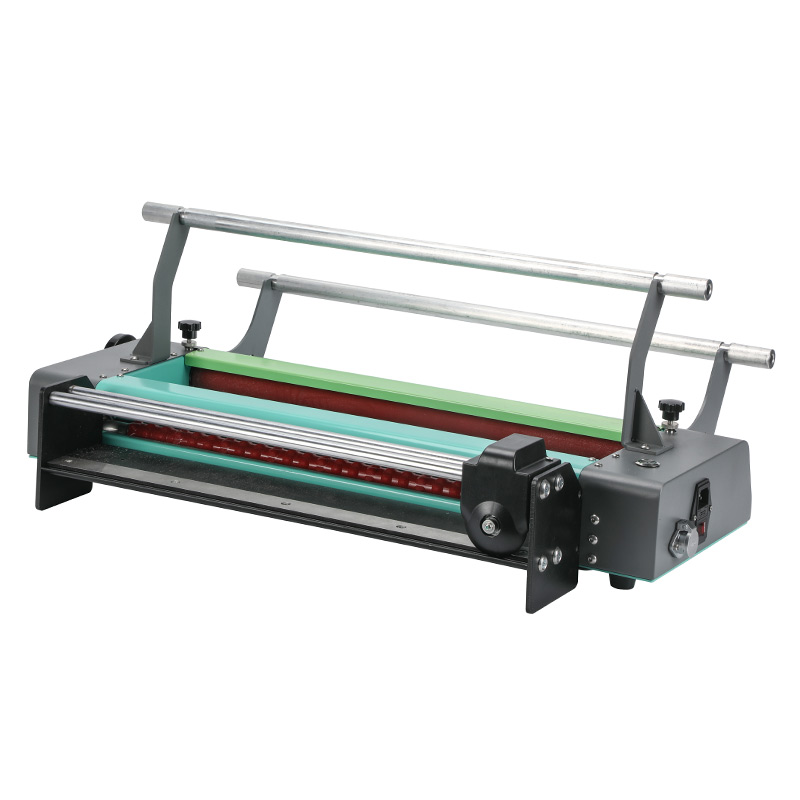
Honeycomb paper begins as a flat kraft sheet. When pulled through a dispenser, it opens into a flexible 3D honeycomb web. This web creates a protective layer around products by distributing pressure and absorbing shocks. The stretch-to-lock design is what makes honeycomb paper cushioning so effective. It grips itself when wrapped, holding items securely without adhesives. This is why a step by step honeycomb paper dispenser packing guide is valuable. Once packers understand the structure, they can achieve consistent packaging protection for many product types.
Tape adds extra steps and slows packing. Workers must cut tape, apply it carefully, and deal with tangled rolls or jams. Honeycomb paper eliminates this problem because the expanded cells lock into each other. Packers can wrap products tightly, tear the paper by hand, and press it down to secure it. This reduces packing time and improves workflow efficiency. Removing tape also reduces plastic waste and creates a cleaner workstation. The best way to wrap products with honeycomb paper dispenser systems is to rely on the paper’s self-locking structure for fast and secure wrapping.
Bubble wrap has been widely used, yet it creates bulky storage demands and often requires tape to stay in place. It also produces plastic waste that customers may not recycle. Honeycomb paper cushioning provides similar or better protection with less volume. It fits closely around products, reducing the need for oversized boxes. It is also recyclable and biodegradable. Businesses that switch to honeycomb paper often see improved shipping safety and lower packaging waste. This comparison shows why honeycomb paper dispenser technique for shipping safety is becoming a preferred choice in modern fulfillment.
Feature | Bubble Wrap | Honeycomb Paper Cushioning |
Protection Level | Moderate impact resistance | High shock absorption |
Tape Required | Yes, often needed | No, self-locking design |
Sustainability | Plastic-based waste | Recyclable kraft paper |
Packing Speed | Slower process | Faster stretch-wrap-tear |
Proper setup is the foundation of effective wrapping. Start by placing the dispenser on a stable packing surface. Load the honeycomb roll so it feeds smoothly without resistance. Check that the roll width matches the dispenser capacity to avoid tearing or uneven pulling. A secure setup prevents downtime and ensures consistent dispensing. Testing a few pulls before packing real orders helps confirm smooth operation. Manual honeycomb paper dispenser setup and use is simple, yet it directly affects packing speed and protection quality. Some compact dispensers, like epack’s X90, also include tension control and dual-roll compatibility, which helps teams achieve stable stretching and stronger cushioning in daily operations.
Stretching is the key step that activates the honeycomb structure. Pull the paper gently until the cells fully open into a 3D web. Overstretching can weaken the paper, while understretching reduces cushioning performance. The goal is even expansion that creates strong shock absorption. This is how businesses improve packaging protection with honeycomb paper cushioning. Consistent stretching also reduces material waste because packers use the right amount of paper for each item. When teams master this technique, they achieve both maximum protection and efficient packing workflows.
Fragile products need secure coverage, especially around corners and edges. Place the item in the center of the stretched honeycomb sheet. Wrap it tightly with overlapping layers, focusing on areas most likely to take impact. The best way to wrap products with honeycomb paper dispenser systems is to create a snug fit without excessive bulk. This prevents shifting inside the box and reduces breakage risk. Honeycomb paper dispenser for fragile item wrapping works well for cosmetics, electronics, ceramics, and glass items because it combines cushioning and stability.
After wrapping, tear the paper cleanly by hand at the required length. Press the outer layer gently so the honeycomb cells interlock. This locks the wrap securely without tape. Eliminating tape reduces packing time and keeps workstations cleaner. This step also improves safety because workers no longer need blades or scissors. The honeycomb paper dispenser technique for shipping safety relies on this self-locking action to secure products quickly while maintaining maximum protection.
Once wrapped, place the product into a right-sized box. Avoid oversized cartons because extra space allows movement during transit. Honeycomb paper often reduces the need for additional void fill because it conforms closely to the product. Before sealing the box, shake it lightly to ensure the item does not shift. This final check ensures shipping safety and prevents hidden damage risks. Following this step by step honeycomb paper dispenser packing guide helps businesses reduce returns, lower claims, and deliver products securely.
Packing Step | Key Action | Protection Benefit |
Setup | Load roll smoothly | Prevents tearing delays |
Stretch | Expand honeycomb cells evenly | Strong shock absorption |
Wrap | Overlap layers on corners | Reduces breakage risk |
Lock | Tear and self-lock paper | Eliminates tape use |
Final Check | Test movement in box | Ensures shipping safety |
Different products require different protection levels. Light items may need only one or two layers, while heavy glass products may need extra coverage. Standardizing wrapping guidelines helps avoid overuse and ensures consistent results. Too many layers waste material, while too few layers increase damage risk. Businesses that improve packaging protection with honeycomb paper cushioning often create simple rules by product category. This reduces decision-making time and improves packing speed. Proper layering also ensures maximum protection without unnecessary packaging costs.
Workstation layout directly impacts efficiency. If the dispenser is too low or far away, packers waste motion reaching and bending. Placing the honeycomb paper dispenser at waist height supports smooth pulling and wrapping. Keeping boxes, labels, and products within reach reduces interruptions. A well-organized station improves workflow rhythm and reduces fatigue. This matters because packing is repetitive work. Optimized layout helps teams maintain consistent shipping safety while speeding up fragile item packaging.
Most workers can learn honeycomb wrapping quickly, yet consistency requires training. Short sessions should focus on stretching evenly, wrapping corners tightly, and locking paper without tape. Standard procedures reduce variation and prevent errors. Training also ensures new staff can achieve maximum protection from the first day. Companies that adopt a honeycomb paper dispenser technique for shipping safety often see reduced damages and faster packing within weeks.
Tip: Track damage rates before and after switching to honeycomb paper cushioning to measure real improvement.
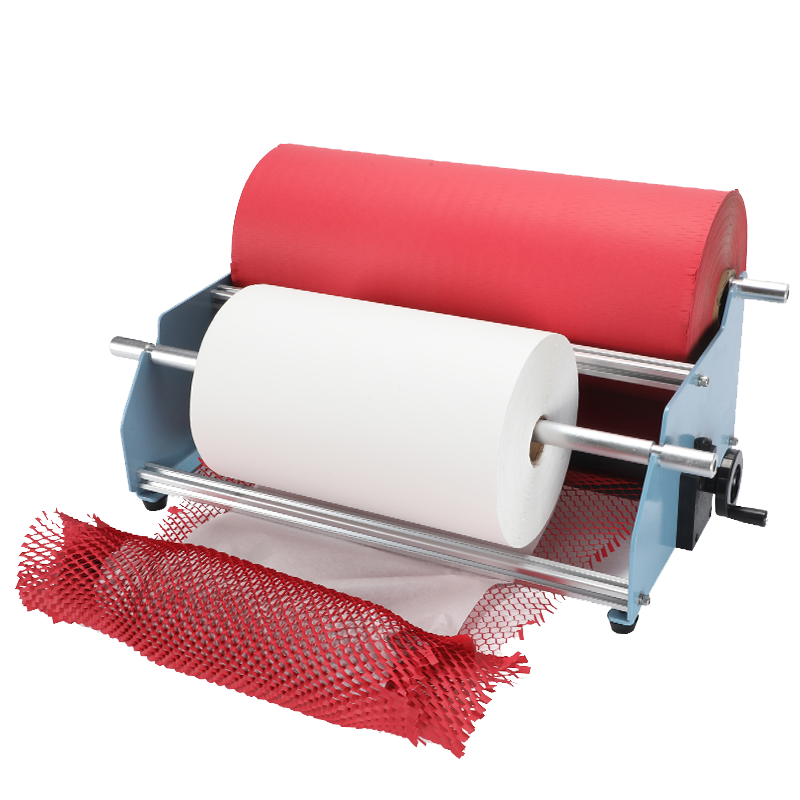
Overstretching can tear paper or reduce its cushioning strength. Workers should pull gently until cells open evenly. Proper stretching ensures maximum protection while preventing wasted material. Avoiding this mistake improves both speed and packaging protection quality.
Loose wrapping creates gaps that allow items to shift during transit. Shifting increases impact risk and leads to breakage. Always wrap snugly, especially around edges and corners. Honeycomb paper dispenser for fragile item wrapping works best when the paper conforms tightly to the product shape.
Even strong cushioning cannot prevent damage if the box is too large. Oversized cartons allow products to move and collide. Right-sizing packages is critical for shipping safety. Honeycomb paper works best when paired with properly fitted cartons that minimize empty space.
Honeycomb paper is recyclable and biodegradable, making it a sustainable alternative to plastic bubble wrap. Businesses can reduce environmental impact while still achieving strong packaging protection. Customers increasingly value eco-friendly packaging, so honeycomb paper supports both protection and brand image.
Honeycomb paper is lightweight and form-fitting. It reduces package volume, which helps lower dimensional weight charges. Businesses also save storage space because rolls are compact. These cost benefits make honeycomb paper dispenser technique for shipping safety both practical and profitable.
Honeycomb paper creates a clean, premium unboxing experience. Customers can remove it easily without scissors or sticky tape residue. This improves satisfaction and reduces complaints. Better packaging presentation also strengthens brand trust while supporting sustainability goals.
Note: Always confirm local recycling rules to ensure honeycomb paper is disposed of correctly.
Using a honeycomb paper dispenser improves maximum packaging protection. This step by step guide shows how to stretch, wrap, and lock honeycomb paper cushioning. It helps reduce damages, improve shipping safety, and support sustainable packaging. epack’s manual X90 offers stable tension control and strong cushioning value for smoother fulfillment.
A: A honeycomb paper dispenser creates honeycomb paper cushioning for maximum packaging protection.
A: Follow a step by step honeycomb paper dispenser packing guide to stretch, wrap, and lock paper.
A: It improves shipping safety, needs no tape, and supports sustainable packaging.
A: Check manual honeycomb paper dispenser setup and use, and avoid overstretching the paper.