
- All
- Product Name
- Product Keyword
- Product Model
- Product Summary
- Product Description
- Multi Field Search
Views: 0 Author: Site Editor Publish Time: 2026-01-30 Origin: Site


Packing speed is no longer a small detail. It shapes daily output and customer trust. Many teams still waste time on tape and scissors, yet a manual honeycomb paper dispenser makes packing faster. In this article, you will learn how epack’s X90 helps reduce packing time and improve shipping packaging efficiency. Learn more about our products and upgrade your workflow today.
Slow packing is rarely caused by one big issue. It is usually the result of many small actions repeated thousands of times. When workers measure bubble wrap, cut it, reach for tape, and seal it, they lose seconds in every order. Those seconds become hours of wasted labor each week. This is why shipping packaging efficiency matters so much in high-volume environments. A manual packaging tool that reduces steps can free up labor for other tasks. It also helps teams handle peak seasons without immediately hiring extra staff. Faster packing improves morale too, because workers feel less friction and stress at the station.
Order throughput depends on consistency. If one packer needs extra time to find tape ends or cut materials, the entire line slows down. This creates bottlenecks in fulfillment and increases overtime costs. Inefficient packaging also causes more mistakes, such as poorly wrapped products or loose void fill. These mistakes lead to damages and returns, which add even more work later. Using a honeycomb paper dispenser for packing speed improves flow because the material is easy to handle and requires fewer tools. When the process becomes repeatable, businesses can scale output without sacrificing quality.
Customers expect fast shipping and safe delivery. Companies that optimize packing can ship later cut-off orders and still meet deadlines. Packing process optimization also reduces wasted packaging materials, which lowers costs and supports sustainability goals. Manual honeycomb paper dispensers are a practical way to achieve this advantage because they improve speed without complex automation. They fit well in small warehouses, e-commerce rooms, and retail shipping counters. In competitive markets, even a 20% improvement in packing speed can translate into major yearly savings and better customer retention.
Honeycomb paper works differently than traditional wrap. It expands into a 3D honeycomb structure when stretched, creating strong cushioning without needing tape. With a manual honeycomb paper dispenser, packers pull the paper, wrap it around the product, and tear it by hand. This “stretch, wrap, tear” motion eliminates extra steps. It also feels natural and fast after only a short learning curve. Many compact dispensers, like the epack X90 model, are designed with dual-roll handling so teams can stretch honeycomb paper and liner paper together for even better protection. The workflow supports protective paper cushioning while keeping the station organized.
Tape and scissors seem small, yet they create constant interruptions. Workers must reach for them, reload them, and sometimes struggle with jams. These interruptions break rhythm and reduce efficiency. Honeycomb paper packaging removes the need for adhesive in many cases because the paper interlocks. Packers can tear it cleanly without blades. This reduces packing time using honeycomb paper dispenser setups and lowers safety risks from cutters. It also reduces plastic waste and improves the unboxing experience. Less tape means fewer sticky residues and cleaner packages.
Efficiency comes from details. Correct roll placement, proper stretching technique, and workstation layout all influence results. A honeycomb paper dispenser efficiency improvement plan should include training staff on consistent pulling force and wrapping angles. Some industrial-grade dispensers, including epack’s manual solutions, also include tension adjustment features so packers can control how wide the honeycomb cells expand. Small adjustments can prevent paper waste and improve speed. When these factors align, teams can achieve faster packing with fewer errors.
Tip: Place the dispenser at waist height so packers can pull paper in one motion without bending or twisting.
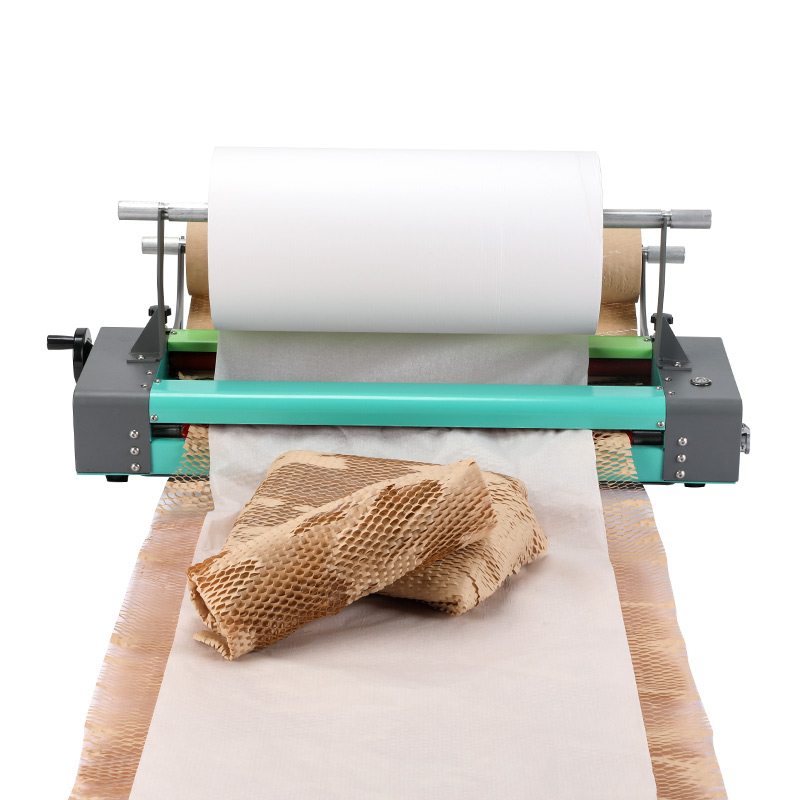
One of the biggest benefits is the removal of adhesive steps. Traditional packaging often requires multiple layers of tape, which slows down packing and adds cost. Honeycomb paper sleeves lock into place naturally. This reduces motion and speeds up packing. It also makes the process easier for new employees to learn. Faster packing means more orders per hour, which increases revenue potential without increasing headcount.
A cluttered workstation slows workers down. Tape rolls, scissors, and plastic scraps create mess and distractions. Honeycomb paper comes in compact rolls and produces less waste. This keeps the station tidy and reduces cleanup time. A clean station also improves worker focus and reduces mistakes. Smooth rhythm matters because packing is repetitive. When packers can stay in flow, they work faster and with fewer errors. Honeycomb paper dispensers help maintain that rhythm by simplifying the packaging steps.
Manual does not mean inefficient. In many small and mid-sized operations, manual tools are the best balance of cost and performance. A manual honeycomb paper dispenser provides speed improvements without electricity, maintenance, or complex setup. It works in flexible environments where packing needs change daily. This makes it an ideal sustainable packaging solution for businesses that want quick wins. Brands like epack also manufacture both manual and automated packaging equipment, giving growing operations a clear upgrade path as volume increases.
Proper setup is essential for consistent results. Start by securing the dispenser on a stable surface. Load the honeycomb roll so it feeds smoothly without resistance. Make sure the roll width matches the dispenser capacity. A poorly fitted roll can cause tearing or uneven stretching. Once installed, test a few pulls to confirm smooth operation. Many compact industrial dispensers, such as epack’s X90, are built with heavy-duty steel frames and suction bases to ensure stability even during fast repetitive use. Correct setup reduces downtime and supports packing process optimization from day one.
Fragile items require both speed and care. Honeycomb paper cushioning provides shock absorption through its expanded cell structure. To wrap efficiently, stretch the paper slightly before placing the product. Then wrap around the item with overlapping layers for extra protection. The paper locks into itself, reducing the need for tape. This method works well for cosmetics, glassware, electronics, and handmade goods. Faster wrapping also reduces handling time, lowering the risk of drops or damage during packing.
Consistency comes from standard procedures. Businesses should define how many layers are needed for each product category. They should also keep rolls within easy reach to avoid walking back and forth. Training workers to use the same “stretch, wrap, tear” motion reduces variability. Monitoring packing times can highlight improvement areas. Over time, these practices create a repeatable system that scales.
Not all dispensers are equal. Businesses should look for strong frames, stable bases, and smooth feeding mechanisms. Roll compatibility matters because different paper widths require different dispenser sizes. A dispenser that supports multiple roll types adds flexibility. Durability also affects long-term cost. Some manufacturers, including epack, design dispensers with industrial steel construction and compatibility from 30cm to 50cm rolls, which suits many warehouse applications. Choosing the best manual honeycomb paper dispenser for packaging means balancing price with build quality and workload demands.
Manual dispensers are ideal for small to medium operations. Automatic converters may suit very high-volume warehouses, but they require power and maintenance. Manual tools offer simplicity and portability. Automatic machines can deliver faster output, yet the investment is higher. Companies like epack provide both manual models such as the X90 and electric systems for larger-scale fulfillment, allowing businesses to scale packaging efficiency over time.
The right dispenser depends on workflow. If packing involves many small items, a compact dispenser may be best. If large fragile goods dominate, wider rolls and stronger frames are needed. Workstation layout also matters. Matching the tool to workflow ensures maximum speed improvements.
Dispenser Type | Best For | Key Advantage |
Tabletop Manual | Small packing stations | Low cost, easy setup |
Standalone Manual | Flexible warehouse use | Portable and stable |
Automatic Converter | High-volume fulfillment | Maximum output speed |
Training is simple because the workflow is intuitive. Most workers learn the stretch and wrap technique within minutes. Short training sessions should focus on proper stretching and avoiding overuse of paper. Staff should also practice wrapping common product shapes. Quick adoption reduces disruption during transitions. Many suppliers, including epack, emphasize plug-and-play integration so warehouses can switch materials smoothly. When training is done correctly, packing speed improves immediately.
Manual operation reduces downtime because there are fewer mechanical parts to fail. No electricity means no wiring issues or machine errors. Rolls can be replaced quickly without tools. This reliability supports shipping packaging efficiency, especially during busy seasons. Downtime is one of the biggest hidden expenses in fulfillment. A manual honeycomb paper dispenser helps avoid these interruptions while keeping the workflow steady.
Honeycomb cushioning improves workflow because it combines protection and speed. Packers no longer need separate void fill materials. The same paper can wrap and cushion items in one step. This reduces inventory complexity and speeds up decision-making at the station.
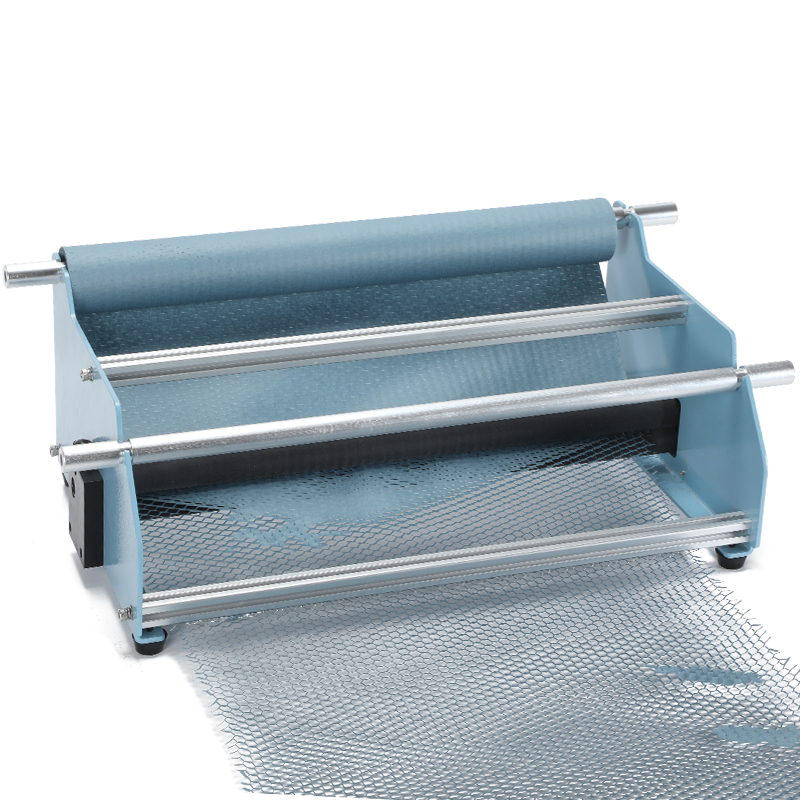
Plastic bubble wrap creates long-term waste and is often not recyclable. Honeycomb paper is biodegradable and curbside recyclable in many regions. Switching materials supports sustainability goals while also improving packing speed. Many companies, including epack as an integrated packaging solution manufacturer, promote honeycomb paper systems as a way to replace plastic while increasing operational efficiency.
Packaging is part of branding. Customers notice materials and presentation. Honeycomb paper offers a premium look and feel, which improves the unboxing experience. It communicates professionalism and environmental responsibility. This can lead to repeat purchases and positive reviews.
Consumer demand for recyclable packaging continues to rise. Businesses that respond early gain an advantage. Honeycomb paper dispensers make it easy to adopt sustainable packaging without slowing operations. In fact, the process becomes faster.
Note: Always confirm local recycling guidelines to ensure honeycomb paper is processed correctly.
Honeycomb paper provides strong cushioning without bulk. This allows businesses to use smaller boxes and reduce dimensional weight charges. Right-sizing also reduces filler waste. Smaller packages cost less to ship and take up less storage space.
Carriers often price shipments based on size rather than weight. Bulky materials force businesses into larger boxes, increasing costs. Honeycomb paper wraps tightly around products, reducing empty space. This helps lower shipping fees.
Damages are expensive. They create returns, replacements, and customer dissatisfaction. Honeycomb paper absorbs impact through its cell structure. It prevents products from shifting during transit. Fewer damages mean fewer reverse logistics tasks and lower operational stress.
Cost Factor | Traditional Bubble Wrap | Honeycomb Paper Solution |
Material Waste | High plastic waste | Low biodegradable waste |
Packing Speed | Slower due to tape | Faster stretch-wrap-tear |
Shipping Volume | Bulkier packages | Slimmer right-sized boxes |
Overstretching can tear paper and waste material. Understretching reduces cushioning performance. Workers should stretch just enough to open the honeycomb cells. Correct technique ensures speed and protection.
If the dispenser is placed too low or too far, workers waste motion reaching for it. Workstation layout should support natural movement. Place the dispenser close to the packing surface. Keep boxes and labels within reach.
Some packers may use more paper than needed, thinking it increases protection. Standard guidelines help prevent this. Reducing overuse lowers costs and speeds up packing.
Common Mistake | Impact on Speed | Solution |
Too much tape use | Extra steps | Switch to self-locking honeycomb paper |
Dispenser placed poorly | More reaching | Optimize workstation height |
Inconsistent wrapping | Errors and rework | Standardize packing procedures |
Tip: Track packing time per order for one week before and after switching materials to measure real improvements.
Speeding up packing improves fulfillment performance. A manual honeycomb paper dispenser removes tape and reduces packing time. It creates smoother workflows and supports eco friendly packaging. It also lowers shipping costs and product damage rates. epack’s X90 offers stable manual operation, tension control, and strong cushioning value. It helps businesses build faster, cleaner, and scalable packing operations.
A: A manual honeycomb paper dispenser uses a stretch, wrap, tear method to reduce packing time.
A: They help improve packing workflow with honeycomb paper cushioning and cut wasted motion.
A: Yes, it lowers tape use, reduces damages, and improves shipping packaging efficiency.
A: Poor stretching or layout reduces eco friendly packaging faster with honeycomb paper dispenser results.


