
- All
- Product Name
- Product Keyword
- Product Model
- Product Summary
- Product Description
- Multi Field Search
Views: 0 Author: Site Editor Publish Time: 2026-06-15 Origin: Site


Old cardboard can either fill your warehouse or help protect your next shipment. A Cardboard Shredder Machine turns used boxes into packing filler, so it helps reduce waste and packing costs. In this guide, you will learn how to choose the right machine based on volume, output type, capacity, safety, space, and long-term value.
● A Cardboard Shredder Machine should match your real packing workflow, not just your budget.
● Daily cardboard volume, peak-season demand, and cardboard thickness affect the right machine size.
● Strip-cut, mesh-cut, and small-piece outputs serve different packaging or recycling needs.
● Feed width, cutting thickness, motor strength, and duty cycle are key specifications to compare.
● Safety features such as overload protection, anti-pinch design, auto-stop, and guards matter in daily use.
● Small shops may need compact machines, while warehouses often need heavier-duty units.
● The best choice should reduce waste, save storage space, improve packing speed, and support cleaner packaging.
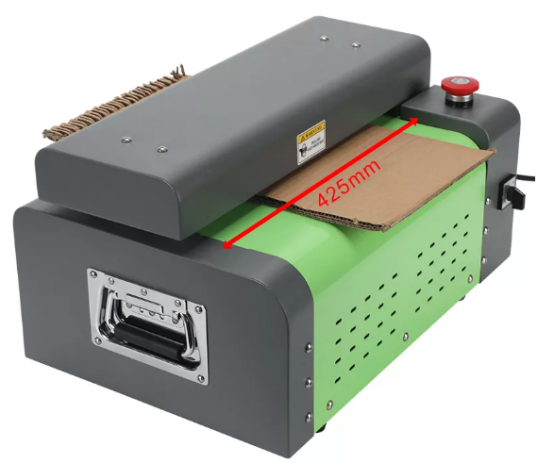
Before you compare any Cardboard Shredder Machine specifications, start with the cardboard you already handle. Count how many cartons, inserts, and corrugated sheets enter your packing area each day. Then check how much of that material could become packing filler.
A small online store may only process a few boxes per hour. A warehouse may handle piles of cardboard from inbound shipments, returns, and repacking work. These two users should not choose the same machine. If your team creates cardboard faster than the machine can process it, the packing area will still stay crowded.
Average volume is useful, but peak volume is often more important. Holiday sales, large orders, product launches, and export loading days may create sudden cardboard buildup. If the machine only fits normal days, it may overheat or slow your team during busy periods.
A practical method is to record both daily average volume and peak-day volume. Choose a machine that can handle normal work easily and support short surges without frequent stopping.
Not all cardboard behaves the same. Thin single-wall boxes cut more easily. Double-wall corrugated cardboard needs more cutting force. Thick, damp, folded, or heavily taped cartons may increase resistance.
If your team mostly handles clean shipping cartons, a standard packaging shredder may work well. If you often process dense corrugated sheets, choose a heavy duty cardboard shredder machine with stronger rollers, stable drive parts, and overload protection.
Some companies only want to reduce waste volume before recycling. Others want to turn cardboard into usable void fill. These are different goals.
If your goal is cardboard recycling, smaller shredded pieces may be enough. If your goal is protective packaging, you need output that can cushion, wrap, or fill empty box space. For many shipping teams, a cardboard shredder for packing material is more valuable than a simple waste reduction machine.
Look at where packing actually happens. A small machine beside one packing table may work for a small business. A larger freestanding machine may fit a central packing zone. If several stations need filler, you may need one larger unit or several compact units.
Tip:Map your cardboard flow before buying. The best machine location is often near both the unpacking area and the packing table.
A large machine is not always the best choice. A compact machine is not always underpowered. The right decision depends on what you process, how often you process it, and what output you need. Machine footprint matters, but capacity, feed width, safety, and duty cycle matter more.
Strip-cut output is useful when you mainly need simple filler. It creates strips that can fill open space in a shipping box and reduce product movement during transport. This type often works well for non-fragile goods, replacement parts, hardware, and general e-commerce packages.
Strip-cut output is usually easier to produce than mesh-style material. Because it needs less cutting resistance, it may suit smaller packing areas or teams with moderate cardboard volume.
A cardboard perforator machine for void fill creates flexible, net-like cardboard. This output can expand after cutting and form soft cushioning around products. It is useful for fragile items, cosmetics, glassware, ceramics, electronics, and products with finished surfaces.
A cardboard perforator is often a better choice when the customer opening experience matters. It can also help replace plastic bubble wrap or foam in many packing tasks. Since mesh output needs more precise cutting, check blade quality, motor strength, and feed stability before buying.
Small pieces or chips are more suitable for waste handling, baling, and recycling preparation. They reduce cardboard volume, but they may not provide neat or consistent product protection.
If your main goal is corrugated cardboard shredder for recycling, small-piece output may be acceptable. But if your goal is protective packaging, do not choose this output unless you have tested it with your products.
The output shape affects cushioning, wrapping, and box filling. Light strips can fill empty space. Mesh output can wrap or hold products better. Small pieces can reduce waste volume, but may shift inside the box.
Output Type | Best Use | Main Advantage | Possible Limit |
Strip-cut cardboard | Basic void fill | Simple and efficient | Less surface protection |
Perforated mesh cardboard | Cushioning and wrapping | Better shock absorption | Needs stronger cutting parts |
Small shredded pieces | Recycling preparation | Reduces waste volume | Not ideal for premium packing |
E-commerce sellers often need flexible filler for mixed orders. Mesh-cut or strip-cut output can both work, depending on product fragility. Warehouses may prefer higher capacity machines that support steady filler production. Small packing stations may choose compact units if they process cardboard in short batches.
Note:Do not choose output style by appearance alone. Test it with your real product, box size, and drop-risk level.
Many buyers ask for the best cardboard shredder machine for packaging, but they do not define packaging performance first. A machine that makes nice-looking filler may still be wrong if the filler does not protect the product. Before purchase, test whether the output fills space, absorbs impact, avoids scratching, and keeps the item stable.
Maximum cutting thickness tells you how much cardboard the machine can process. This is one of the most important cardboard shredder machine specifications. If your cartons are thick or multi-layered, choose a machine rated for that load.
Do not base the choice on your thinnest boxes. Base it on the thickest cardboard you process often. If the machine is always near its limit, it may jam more often and wear faster.
Feed width affects how easily operators can insert flattened cartons. If the opening is too narrow, workers must pre-cut boxes before shredding. This adds labor and slows packing.
A wider feed width helps with larger cartons. But wider is not always better. If your products arrive in smaller boxes, a compact feed width may be enough. The goal is to reduce extra handling, not to buy unused capacity.
Cutting speed looks simple, but it can mislead buyers. A fast machine may still fail if it cannot run long enough. A slower machine with stable output may perform better in real warehouse use.
Look at speed, motor power, heat control, and overload protection together. These factors show whether the machine can handle your work pattern.
If you need to process cardboard every hour, choose a machine designed for repeated use. If you only need occasional filler, a smaller unit may be enough. Always compare capacity against your regular load, not an ideal lab condition.
Tip:Ask operators how long cardboard piles stay in the packing area. Their answer often shows whether your current process needs a stronger machine.
A cardboard shredder machine for small business should be easy to place, simple to operate, and safe for light daily use. It may serve one or two packing stations and process cartons in short batches.
For small shops, one-button operation, compact size, and basic safety protection are often more useful than extreme power. The machine should help the team reuse boxes without adding a complex workflow.
Medium-duty users need more stable output. These teams may pack orders each day, handle returns, and use filler often. They need a machine that supports regular operation without frequent jams.
For this level, compare feed width, cutting thickness, motor protection, and blade durability. It is also smart to check if the machine can process cardboard with common tape or labels, since removing every small piece of tape wastes time.
Warehouses and distribution centers need stronger machines. They often process cardboard from inbound cartons and need filler for outbound shipments. A heavy duty cardboard shredder machine should offer durable cutting parts, stable drive structure, and safety systems for frequent operation.
In these sites, downtime is expensive. A machine that stops often can block packing work and create cardboard piles again.
Runtime shows how long the machine can work before it needs rest. Motor cooling affects how well it handles long use. If the motor overheats often, the team loses time, even if the cutting speed looks high.
Overload protection is also important. It can stop the machine before too much pressure damages the motor. This protects the equipment and lowers repair risk.
A tabletop Cardboard Shredder Machine fits small spaces and individual stations. It is useful when packing volume is low or moderate. A freestanding unit is better for higher volume, wider cardboard, or central processing.
Think about clearance around the machine. Operators need room to feed flattened cardboard and collect filler. Poor placement can create safety risks and reduce efficiency.
Check local voltage, plug type, and available circuits before buying. Some machines support different voltage options, but the buyer should confirm this before shipment. A mismatch can delay installation or require extra electrical work.
If the machine will run often, ask whether the available power supply can support stable operation.
Cardboard shredder machine safety features should be part of the purchase decision, not an afterthought. Useful features include emergency stop, anti-pinch protection, safety guards, drawer auto-stop, overload protection, work indicator lights, and auto-reverse.
These features help prevent injuries, reduce jams, and protect the motor. They also make the machine easier for new operators to use.
Cardboard cutting can create dust and fibers. Low-volume use may not create major issues, but high-volume sites should pay attention to dust control and cleaning routines.
A cleaner packing area protects workers, cartons, and finished goods. It also helps keep sensors, blades, and moving parts in better condition.
Note:If the machine will run near finished products, add cleaning access and dust control to your selection checklist.
A Cardboard Shredder Machine is not only a machine cost. It can reduce the need to buy bubble wrap, foam fillers, or extra paper void fill. It turns a waste stream into useful packing material.
To estimate value, compare your monthly spend on packing filler against the expected output from waste cardboard. Then add savings from lower waste handling and storage.
Cardboard takes up space before recycling or disposal. When you process it on-site, you can reduce cardboard piles and create filler when needed. This can free up storage space for products, tools, or packing work.
For busy shipping departments, space savings can be as valuable as material savings.
The machine should reduce labor, not add more steps. If operators must cut every box into small pieces first, the workflow may not improve. Good machine selection reduces handling, keeps filler close to the packing process, and helps workers pack faster.
The cheapest machine may cost more over time if it jams, overheats, or cannot process your real cardboard. Compare total value: machine life, safety, output quality, spare parts, and support.
Blades do the hardest work. Check blade material, hardening process, access for cleaning, and replacement needs. A strong blade system helps maintain output quality and reduces downtime.
Jam prevention and overload protection help protect both the machine and the operator. Auto shut-off can prevent motor burnout during overfeeding. Auto-reverse can help clear stuck cardboard faster.
Before buying, ask about blades, belts, sensors, switches, and other wear parts. Spare parts availability can affect long-term machine value.
Good support matters when a machine becomes part of daily packing work. Check warranty coverage, remote support, instruction materials, and response speed. A supplier that understands protective packaging can also help match the machine to your packing material needs.
Choosing the right machine starts with your workflow. Match volume, output, thickness, duty cycle, space, safety, and support. Dongguan Chuyuanhui Packing Material Co., Ltd. provides practical packaging equipment and material options for companies that want cleaner, faster, and more sustainable packing. Its cardboard shredder machine helps turn waste cardboard into useful filler, reducing waste and improving packing value.
A: A Cardboard Shredder Machine turns used cardboard into filler or recyclable pieces.
A: Check daily volume, cardboard thickness, feed width, and duty cycle.
A: A Cardboard Shredder Machine can reduce filler cost and waste.
A: Yes. It makes flexible mesh cardboard for wrapping and void fill.
A: Capacity, motor power, safety features, and support affect price.
A: Feed flat cardboard slowly and avoid exceeding rated thickness.


