
- All
- Product Name
- Product Keyword
- Product Model
- Product Summary
- Product Description
- Multi Field Search
Views: 0 Author: Site Editor Publish Time: 2026-01-30 Origin: Site


Factories today face pressure to cut faster, while manual methods waste time and materials. An automatic tube cutter improves tube cutting machine efficiency and supports strong automatic tube cutter ROI. Solutions from epack show how automation boosts results, and in this article, you will learn five ways it reduces costs and raises productivity. Learn more about our products.
The transition from manual cutting to automation is one of the most important upgrades a factory can make. Manual tube cutting often depends on operator skill, repeated measurements, and frequent adjustments, which slows production and increases variability. An automatic tube cutting machine eliminates many of these delays by using programmed controls and consistent cutting parameters. This creates faster workflows and more predictable output. When factories adopt factory automation tube cutting systems, they also reduce bottlenecks that limit capacity. Over time, this shift improves competitiveness because companies can meet deadlines more reliably. In ROI terms, automation accelerates payback by lowering operational friction and reducing the hidden costs of manual work.
ROI improvement comes from measurable operational gains. Speed matters because faster cycle times mean more parts produced per shift. Accuracy matters because fewer mistakes reduce scrap and rework. Cost reduction matters because labor and material savings compound over months of production. A modern tube cutting machine efficiency upgrade often delivers all three benefits at once. For example, factories may see reduced waste through optimized nesting and improved surface finish, which lowers secondary processing needs. These combined advantages create a strong business case for investment. When decision makers evaluate automatic tube cutter ROI, they should focus on these core drivers rather than only upfront price.
Tube cutting machine productivity is a strategic priority because cutting is an early-stage process that influences every downstream step. If cuts are inconsistent, welding and assembly become slower and more expensive. If cutting is too slow, the entire production line suffers delays. Automatic systems solve these challenges by providing stable throughput and repeatable performance. They allow manufacturers to plan production schedules with confidence, knowing that output will match demand. Higher productivity also supports scaling without adding excessive labor. In many industries, from automotive to aerospace, the ability to deliver consistent tube components quickly is a competitive advantage that translates directly into stronger ROI.

Reducing labor dependence is one of the fastest ways an automatic tube cutter boosts ROI. Traditional cutting often requires operators to measure, clamp, cut, and inspect repeatedly, which consumes hours of skilled labor. Automation changes this by allowing programmed cutting cycles with minimal intervention. Operators shift from hands-on cutting to monitoring and setup, which increases efficiency. This is especially valuable in high-volume environments where labor shortages are common. When a factory reduces manual involvement, it also lowers the risk of fatigue-related errors. Over time, automated systems allow manufacturers to allocate skilled labor to higher-value tasks, improving overall productivity and profitability.
Labor cost per unit is a key metric for manufacturing profitability. Automatic tube cutting machines reduce this cost by increasing output while requiring fewer operator hours. When one operator can oversee multiple machines or manage automated loading systems, labor efficiency rises significantly. This means each finished part carries less labor expense, which improves margins. Many manufacturers report major savings after switching to automated tube cutting. Even small reductions per unit add up quickly in mass production. The result is a cost effective tube cutting machine investment that pays back through ongoing operational savings rather than only one-time benefits.
Automation is not about replacing workers, but about using them more effectively. Skilled employees are often wasted on repetitive manual cutting tasks when they could focus on process optimization, quality control, or advanced fabrication work. Automatic tube cutters free them from constant measurement and adjustment duties. This creates opportunities for higher-value contributions, such as improving workflow integration or supporting custom production runs. Some manufacturers using solutions like Epack’s automatic heat shrink tube cutting machine note that simplified microcomputer controls make it easier for operators to focus on quality rather than repetitive handling. In ROI terms, the value of skilled labor increases when it is applied to strategic work rather than repetitive cutting.
Tip: For maximum labor savings, evaluate how automation can reduce operator handling steps, not just cutting speed.
Speed is one of the clearest benefits of automatic tube cutting technology. Modern systems can cut faster than manual saws while maintaining accuracy. Faster cycle times allow factories to produce more parts per day without increasing labor. This directly improves tube cutting machine efficiency and strengthens ROI. When production cycles shrink, lead times improve, which can increase customer satisfaction and win more contracts. Faster cutting also supports flexible manufacturing, where factories can switch between product types quickly. In competitive markets, the ability to deliver parts rapidly is a major financial advantage.
High-volume production depends on consistent cycle time performance. Manual cutting introduces variability because each operator works differently and setup time can fluctuate. Automatic tube cutting machines standardize the process, delivering predictable cycle times shift after shift. This reliability reduces bottlenecks and improves scheduling. Over time, factories can increase throughput without expanding floor space or hiring large teams. The financial impact is significant because fixed costs are spread across more units. Cycle time reduction is one of the most powerful contributors to tube cutting machine productivity gains.
Industrial tube cutting machine upgrades help factories respond to urgent orders and changing demand. When cutting becomes automated, manufacturers gain the flexibility to increase output quickly. This is critical in industries where delays can mean lost contracts or penalties. Automatic systems also reduce downtime caused by operator mistakes or inconsistent setup. By upgrading equipment, factories position themselves to handle both large-scale production and custom orders efficiently. ROI improves because the factory becomes more responsive, reliable, and capable of meeting customer expectations in demanding markets.
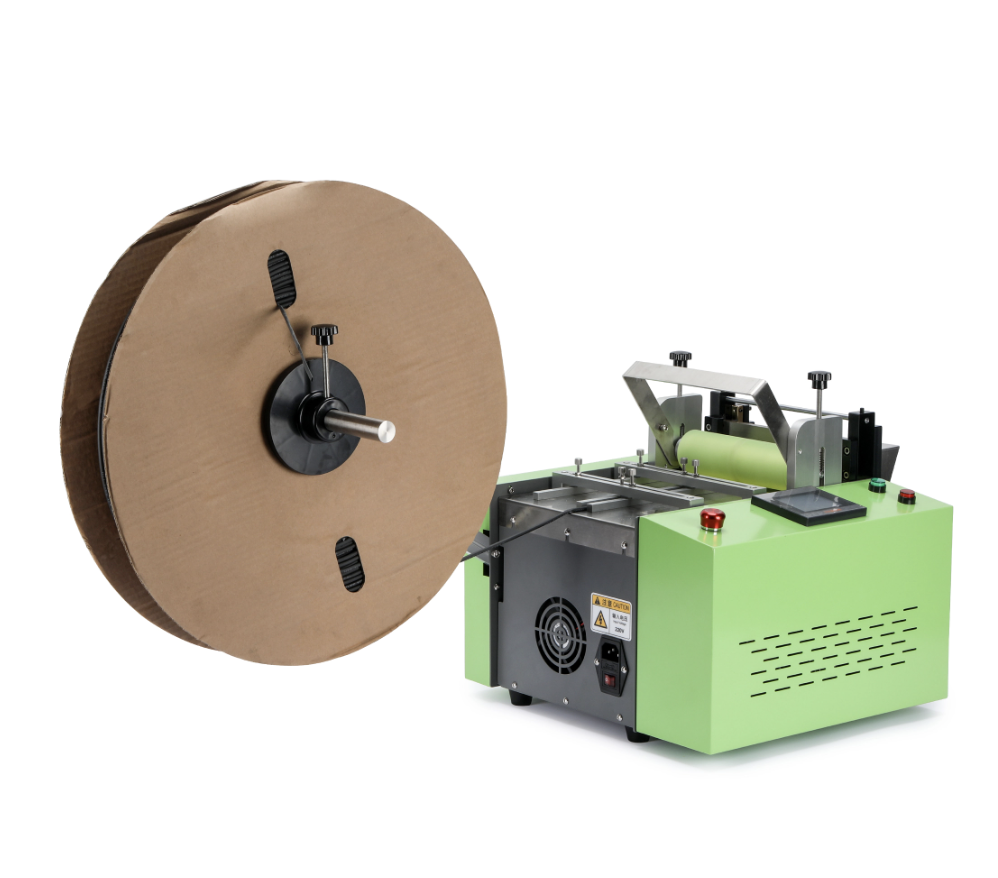
Precision is a defining advantage of automatic tube cutting machines. High precision tube cutting machine performance ensures that cuts meet tight tolerances, which is essential for industries like aerospace, automotive, and medical manufacturing. Accurate cuts reduce fitting issues during assembly and improve overall product quality. Precision also lowers the need for manual corrections, saving both labor and time. Over thousands of parts, these savings accumulate into major ROI improvements. When manufacturers invest in precision cutting technology, they are investing in reliability and customer trust as well as operational efficiency.
Quality consistency is critical for reducing waste and maintaining production flow. Manual cutting often leads to uneven results, especially when operators are fatigued or rushed. Automatic tube cutting machines provide consistent quality control through programmed parameters and monitoring systems. This reduces defects and ensures each part meets specifications. Fewer defects mean less scrap and less rework, which lowers costs. Consistent output also supports compliance with industry standards. In ROI terms, defect reduction improves profitability by protecting both material investment and labor hours.
Cut quality affects more than appearance. A clean cut with improved surface finish reduces the need for grinding and deburring, which saves time and labor. It also improves weld preparation, leading to stronger joints and fewer assembly problems. Automatic systems often deliver smoother edges than traditional methods, supporting better downstream efficiency. Over time, surface finish improvement reduces secondary processing requirements and speeds up the entire production chain. This makes the tube cutting machine efficiency gain broader than just cutting speed, extending into multiple stages of manufacturing.
Material waste is one of the most expensive hidden costs in tube processing. Automatic tube cutting machines often include software that optimizes nesting, ensuring that tube lengths are used efficiently. Better material utilization means less scrap and more finished parts per raw tube. Even small improvements in yield can save significant money over time, especially when working with costly alloys. Optimized cutting strategies also support sustainability goals by reducing waste output. ROI improves because raw material budgets stretch further, creating long-term financial benefits.
Scrap reduction is a direct contributor to profitability. Manual cutting often produces inconsistent offcuts or unusable remnants. Automatic systems reduce scrap by cutting precisely and maximizing usable tube length. This improves cost effective tube cutting machine performance because savings come from both labor and materials. Factories that track scrap rates before and after automation often see dramatic improvements. Lower scrap also reduces disposal costs and improves environmental compliance. In ROI analysis, scrap reduction is one of the easiest metrics to quantify and justify.
Sustainability and profitability are increasingly linked in manufacturing. Reducing waste and improving efficiency lowers both environmental impact and operational costs. Automatic tube cutting machines support sustainable manufacturing by minimizing scrap, reducing energy use through efficient processes, and lowering rework rates. Customers and regulators also value sustainable practices, which can open new business opportunities. In this way, sustainability becomes part of ROI strategy, not just corporate responsibility. Manufacturers that invest in efficient tube cutting technology position themselves for both cost savings and long-term market relevance.
Material Efficiency Comparison
Cutting Method | Typical Waste Level | Material Utilization Rate | ROI Impact |
Manual Saw Cutting | High | 75–85% | Slower payback |
Semi-Automatic Cutting | Medium | 85–90% | Moderate savings |
Automatic Tube Cutting Machine | Low | 90–98% | Strong ROI gains |
Downtime is one of the biggest threats to manufacturing profitability. Modern tube cutting machines often include predictive maintenance tools that monitor wear, performance, and potential issues before breakdowns occur. This proactive approach prevents unexpected stoppages and keeps production running smoothly. Predictive maintenance also helps factories schedule servicing during planned downtime rather than emergencies. The result is higher machine availability and better throughput. ROI improves because the factory avoids costly interruptions and maintains consistent delivery performance.
Automatic tube cutting machines are designed with maintenance efficiency in mind. Simplified upkeep processes such as easy-access components, automated lubrication, and clear diagnostic systems reduce the burden on maintenance teams. When machines are easier to maintain, factories spend less time and money on servicing. This also extends equipment life and preserves cutting performance. Long-term productivity depends on consistent machine health, so maintenance simplicity is an important ROI factor. Factories that invest in reliable systems often see fewer disruptions and stronger operational stability.
Equipment longevity is essential for maximizing ROI. Automatic tube cutting machines represent significant capital investment, so extending lifespan improves financial return. Regular maintenance, stable operating conditions, and reliable design all contribute to longer service life. Over time, a durable machine delivers more production value per dollar spent. Longer lifespan also reduces the frequency of replacement investments. Manufacturers that prioritize reliability gain not only immediate productivity benefits but also long-term financial advantages from sustained equipment performance.
Versatility is another major ROI advantage of automatic tube cutting machines. Modern systems can handle a wide range of materials, from carbon steel to stainless steel and aluminum. They can also cut various tube sizes without extensive retooling. This flexibility allows factories to serve multiple industries and adapt to changing customer needs. Instead of investing in separate machines for different applications, manufacturers can rely on one automated solution. Versatility improves ROI because it expands production capability while reducing capital duplication.
Different industries demand different levels of precision and compliance. Automatic tube cutting machines support aerospace requirements for tight tolerances, automotive needs for high throughput, and medical standards for clean, precise cuts. This cross-industry capability makes them valuable investments for manufacturers serving diverse markets. By meeting multiple production needs, factories can diversify revenue streams and reduce reliance on one sector. ROI improves because the machine becomes a strategic asset for growth and resilience in competitive manufacturing landscapes.
Industry 4.0 is transforming manufacturing through connected systems, data monitoring, and smart automation. Automatic tube cutters that integrate with digital controls and factory networks help manufacturers stay competitive. Future-proofing means the machine can support IoT monitoring, advanced analytics, and automated workflows. This reduces the risk of obsolescence and ensures long-term relevance. Factories that invest in automation-ready equipment are better prepared for evolving market demands. ROI is strengthened because the investment supports both current efficiency and future operational innovation.
Industry Applications and ROI Drivers
Industry Sector | Key Requirement | Automatic Tube Cutter Benefit | ROI Outcome |
Automotive | High throughput | Faster cycle times | Higher output per shift |
Aerospace | Extreme precision | Reduced defects | Lower rework costs |
Medical Devices | Clean accuracy | Consistent cut quality | Better compliance |
Choosing the right automatic tube cutter requires balancing throughput needs, precision requirements, and budget constraints. High-volume factories may prioritize speed and automation features, while specialized manufacturers may focus on precision and cut quality. Budget considerations should include not only purchase price but also operating costs, maintenance, and expected savings. A well-chosen tube cutting machine provides the best ROI when it matches production goals. Manufacturers should evaluate total cost of ownership rather than only upfront expense.
Each factory has unique workflow requirements. Evaluating automation needs involves considering material handling, integration with existing systems, and operator training. Some factories benefit most from fully automated loading, while others may prioritize flexible programming. Understanding production bottlenecks helps determine the right level of automation. A tube cutting machine upgrade should solve specific operational challenges, not just add technology. ROI improves when automation aligns with real production demands and measurable efficiency goals.
Payback period is a critical ROI metric. Manufacturers should estimate savings from labor reduction, scrap reduction, and throughput improvements to calculate realistic payback. While automatic tube cutters require significant investment, many factories achieve payback within 12–18 months depending on production volume. The key is balancing upfront cost with long-term operational gains. When decision makers focus on payback expectations, they can justify investments with clear financial outcomes rather than assumptions.
Note: Always include material savings and labor efficiency in ROI calculations, not just machine purchase price.
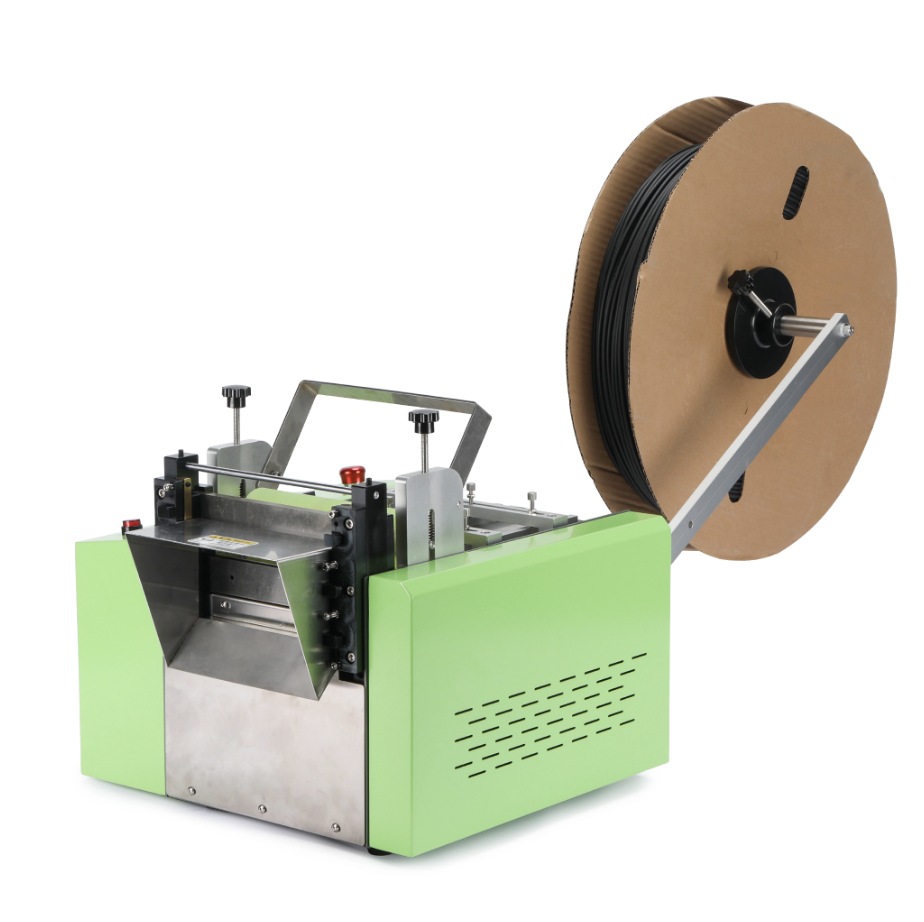
Many manufacturers report payback periods of 12–18 months after adopting automatic tube cutting machines. This timeline is driven by higher throughput, reduced labor costs, and lower scrap rates. Factories that run high-volume production often see even faster returns. Payback also depends on how well the machine is integrated into workflow and how consistently it is utilized. Understanding typical payback expectations helps decision makers plan investments confidently. Automatic tube cutter ROI is strongest when production demand is stable and efficiency gains are fully captured.
Measuring ROI requires tracking productivity metrics such as parts per hour, scrap rates, and labor hours per unit. Factories should establish baseline data before automation and compare performance after implementation. Operational savings often come from multiple sources, including reduced downtime and fewer secondary processes. By measuring gains systematically, manufacturers can validate investment success and identify further optimization opportunities. ROI measurement is not a one-time event but an ongoing process that supports continuous improvement.
The long-term benefits of automatic tube cutting machines extend beyond initial payback. Over years of operation, factories continue to save on labor, materials, and maintenance. Equipment longevity and Industry 4.0 compatibility also protect investment value. Long-term ROI includes the ability to take on new contracts, improve customer satisfaction, and scale production without major additional costs. Manufacturers that view automation as a strategic asset rather than a simple tool gain stronger financial outcomes over time.
ROI Timeline Breakdown
Time Frame | Key Benefit Realized | Financial Impact |
0–6 Months | Faster throughput | Increased capacity |
6–18 Months | Labor and scrap savings | Payback achieved |
2+ Years | Long-term efficiency and growth | Sustained profit gains |
An automatic tube cutter is a smart ROI investment for factories. It cuts labor costs and boosts throughput. It improves precision and reduces waste. It also minimizes downtime over time. A tube cutting machine drives modern competitiveness. epack offers automation-ready solutions with stable performance. Upgrading supports faster payback and long-term growth.
A: It improves tube cutting machine productivity by cutting labor costs and waste.
A: Predictive features keep industrial tube cutting machine upgrades running smoothly.
A: Better accuracy means fewer defects, less rework, and stronger ROI.
A: Faster cycle times and reduced tube cutting labor costs deliver quick payback.
